At a Glance
Protecting an inspiration of evolution
Making Floreana a place where the Medium Tree-finch can thrive
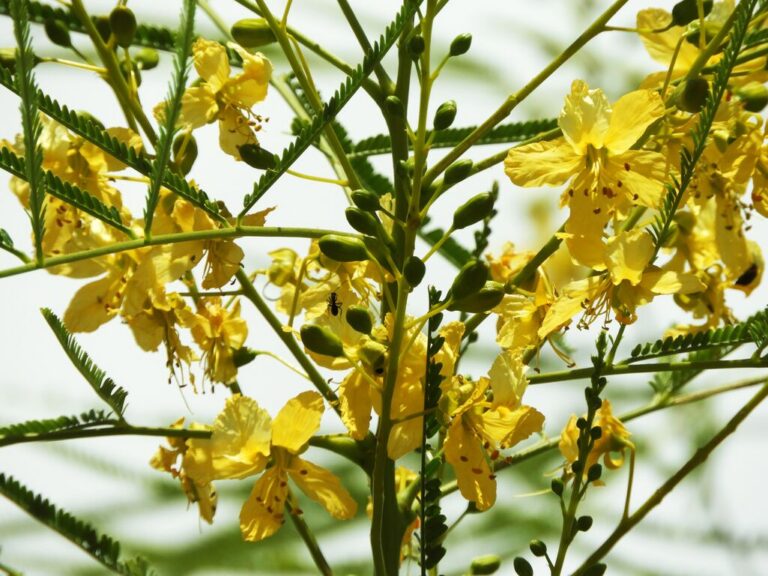
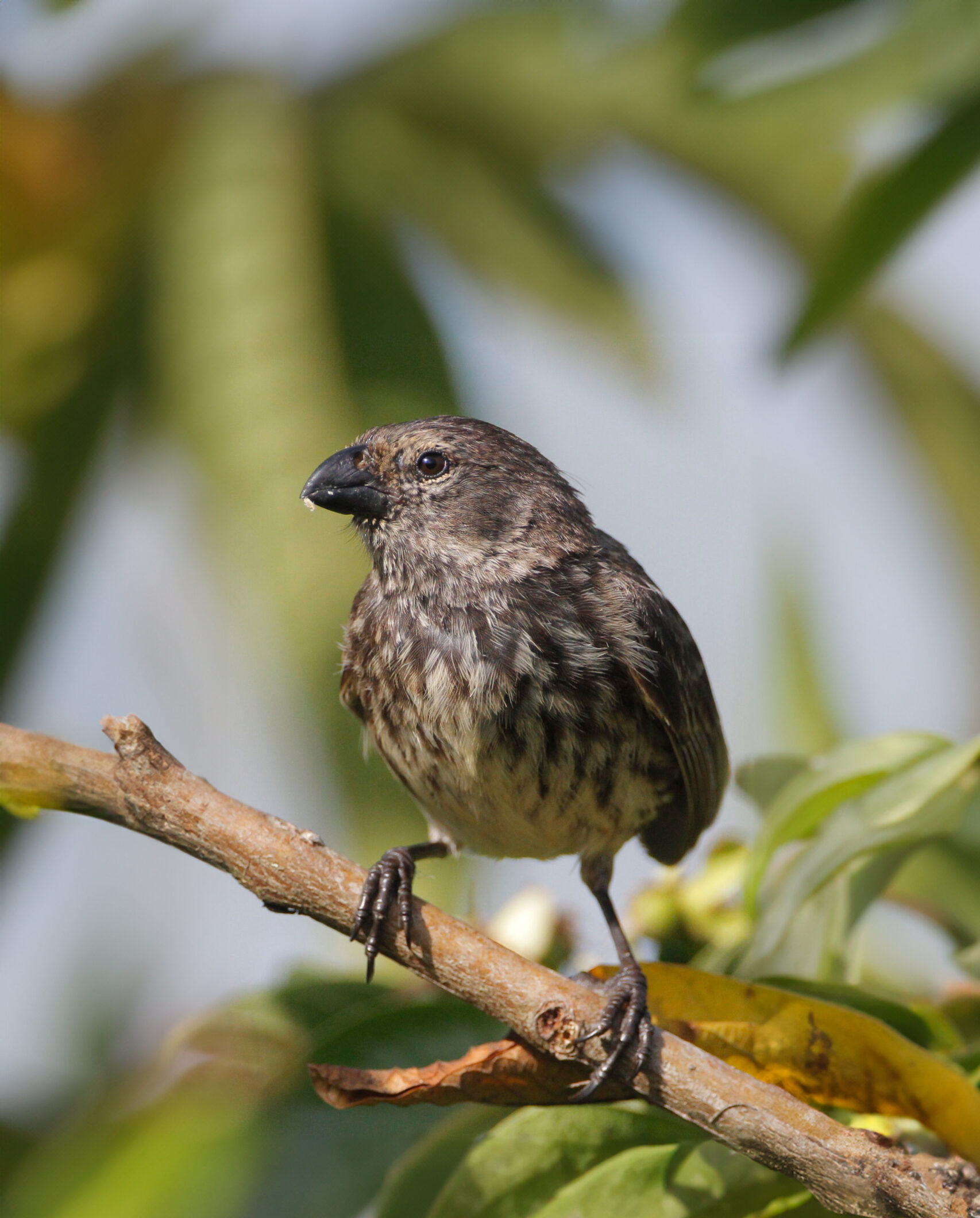
Finches helped shape Darwin’s theory of evolution, but the Medium Tree-finch is at risk of going the way of the Dodo. The Medium Tree-finch only lives on Floreana Island in the Galápagos Archipelago. This songbird lives in the highlands in Scalesia Tree forest, a group of large daisy trees that only grows in the Galápagos. The tropical cloud forests and mountainous evergreen forest where the finch lives are highly fragmented and scientists estimate that the remaining forest habitat for the species is about 24 square-kilometers.
The Medium Tree-finch eats the larvae of insects, nectar, leaves and flower buds. The finches breed between February and April. They typically build nests in Scalesia pedunculata, one of the 15 species of Giant Daisy Tree.
Fun Fact:
The Medium Tree-finch uses its beak like a precision tool, probing bark and crevices for invertebrates to eat.
At a glance
Geography
Ecuador
Status
Critically Endangered
Habitat
Highland Forests
Estimated Population
About 600 to 1,700 mature individuals
Threats
Invasive predators, invasive parasites, invasive plants, climate change
At a Glance
The Crisis
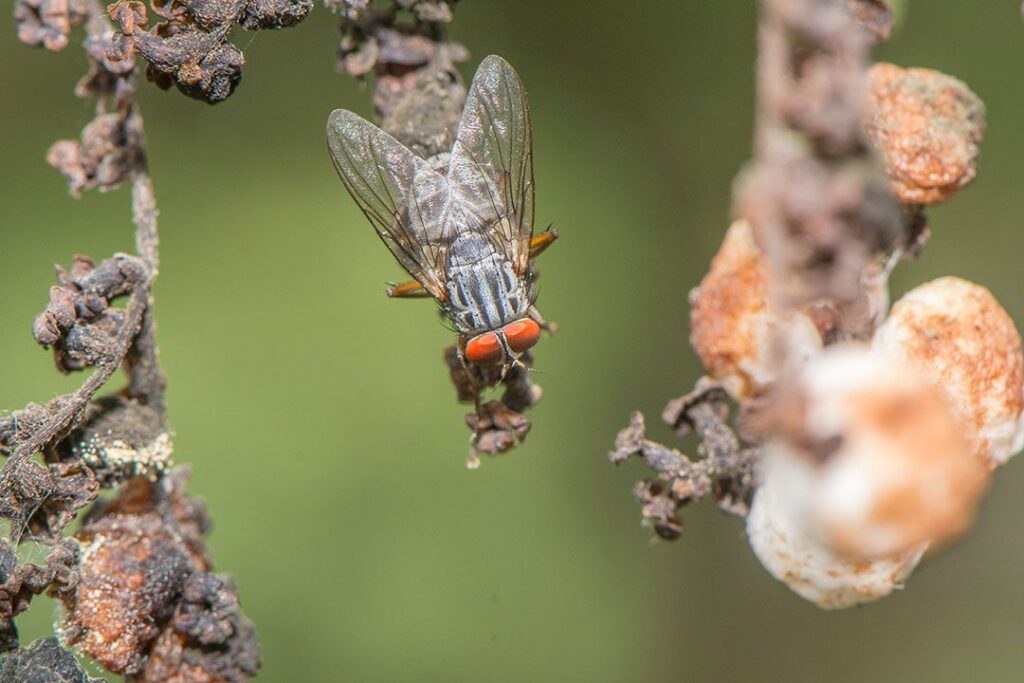
The biggest threat to the Medium Tree-finch is the invasive Avian vampire fly (Philornis downsi). The fly lives in finch nests and is the cause for about 40% of Medium Tree-finch chick deaths in nests. Medium Tree-finches are also heavily hunted by human-introduced predators including rats and cats. The forests that the finches historically lived in have also largely been cleared for livestock. Avian pox and invasive plants are also a major threat to the species. Scientists worry that with so little habitat left, all of which is nearly at the highest altitude that the species is able to survive in, climate change may likely become another major threat to the species
The Phoenix Recovery Plan
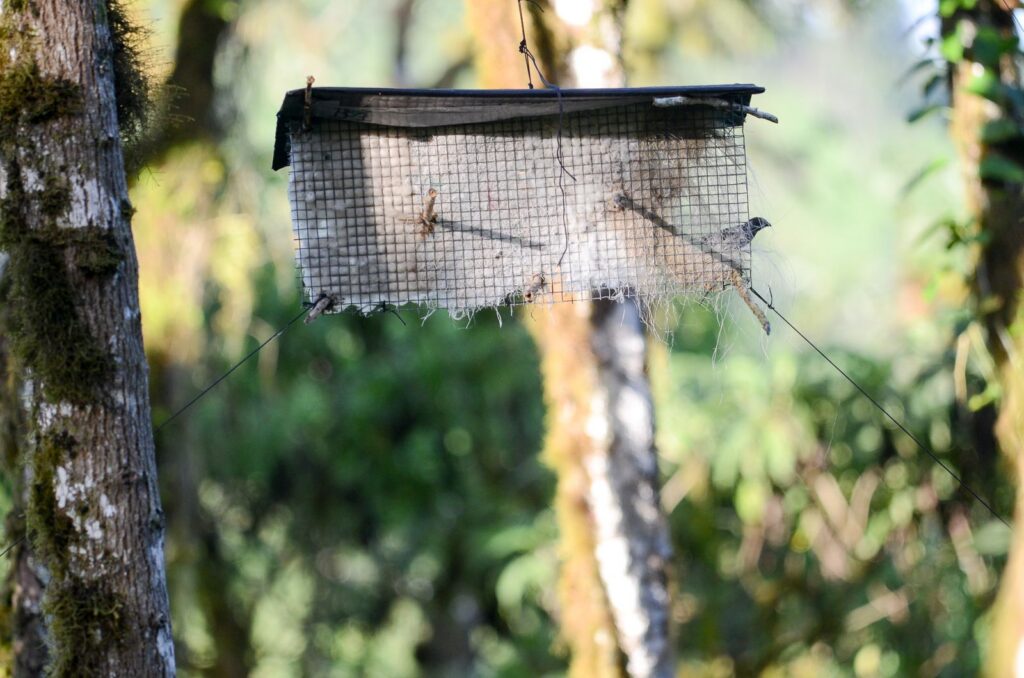
The recovery plan for the Medium Tree-finch will focus on making Floreana a haven for the species by removing non-native predators and parasites, giving the finches a better chance of breeding and raising chicks. Conservationists will remove Vampire Flies by releasing parasitic wasps that prey on the flies, but are harmless to the finches and other native wildlife.
Partner Spotlight
Friends of the Charles Darwin Foundation for the Galápagos supports the Charles Darwin Foundation’s world-leading conservation science in the Galápagos Islands. For decades, the Foundation has partnered with the Galápagos National Park Directorate to restore ecosystems, recover endangered species, and pioneer innovative conservation solutions—from rebuilding giant tortoise populations to preventing the extinction of some of the islands’ rarest birds. Today, that expertise is helping secure a future for the critically endangered Mangrove Finch.
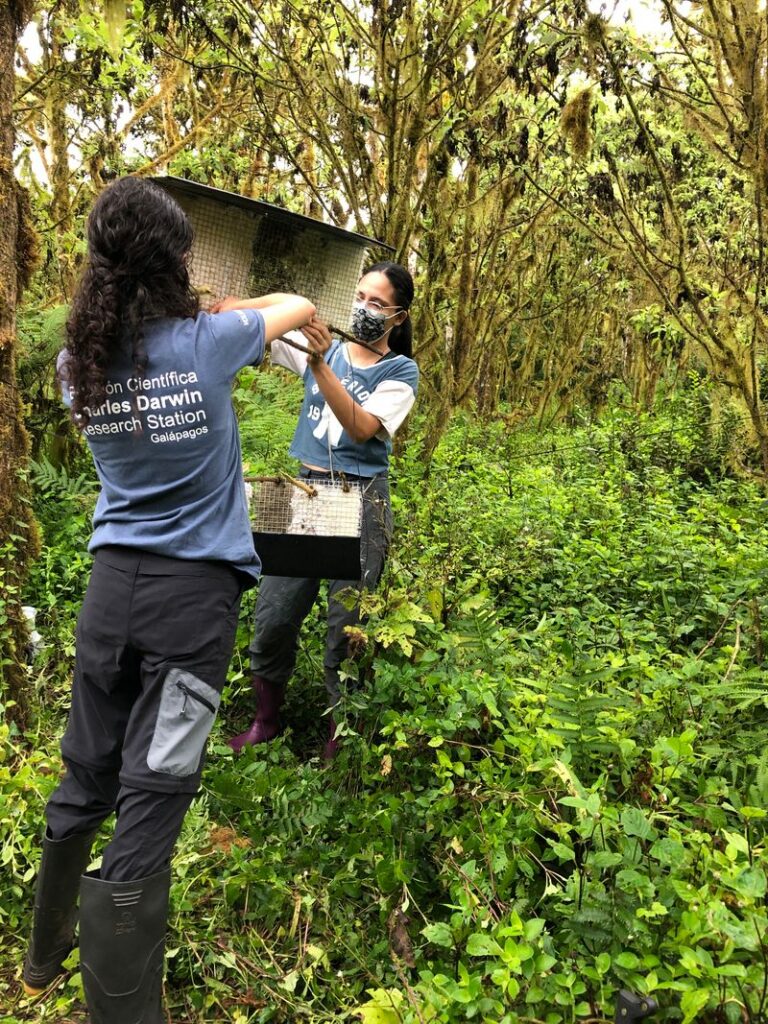
“We are thrilled that the critically endangered Medium Tree-finch has been chosen for support by the Phoenix Species Project. This funding will help ensure the species’ long-term recovery by reducing invasive species in its habitat, while also contributing to the broader goal of restoring the ecological functionality and resilience of Floreana Island’s unique ecosystems.”
Dr Charlotte Causton
Charles Darwin Foundation