

From the Brink.
To a Comeback.
Species are the heartbeat of our world. Together, they sustain the ecosystems that make life on Earth possible. The Phoenix Species Project is a bold new effort to turn the possibility of recovery into reality. Because a world rich in wildlife is a world where people and nature can thrive together.
A new model for species recovery
The Phoenix Species Project is a global effort to recover 100 of the world’s most threatened species by providing sustained support for the local champions with the experience and knowledge to lead their recovery.
For decades, local organizations, Indigenous Peoples, local communities, scientists, and conservationists have mostly relied on small, short-term grants that made long-term recovery of threatened species difficult. The Phoenix Species Project changes that, providing sustained funding that allows ambitious recovery plans to match the scale of the challenge.
Launched in August of 2026 with a $200 million commitment from Leonardo DiCaprio’s Re:wild and the Bezos Earth Fund, with support from Leonardo DiCaprio, Age of Union, and the Todd Graves Family Foundation, the project is the single largest philanthropic initiative dedicated exclusively to recovering Critically Endangered species across taxonomic groups, habitats, and countries.
More than 100 partners around the world will lead recovery efforts tailored to each species and place. Together, we’re working to show what’s possible when conservation is backed by long-term commitment–not just preventing extinction, but giving nature a chance to thrive.
At a Glance

We are losing species at an alarming rate.
Of the nearly 176,000 species assessed on the IUCN Red List of Threatened Species, more than 31,000 are listed as Critically Endangered, Endangered, or Extinct in the Wild. The biggest drivers of decline? The clearing of habitat for cattle and cattle feed, infrastructure, and extractive industries like oil and gas and mining; invasive species and disease; hunting, poaching, overfishing and the pet trade; pollution; and human-driven climate change.
Turning the possibility of recovery into a reality.
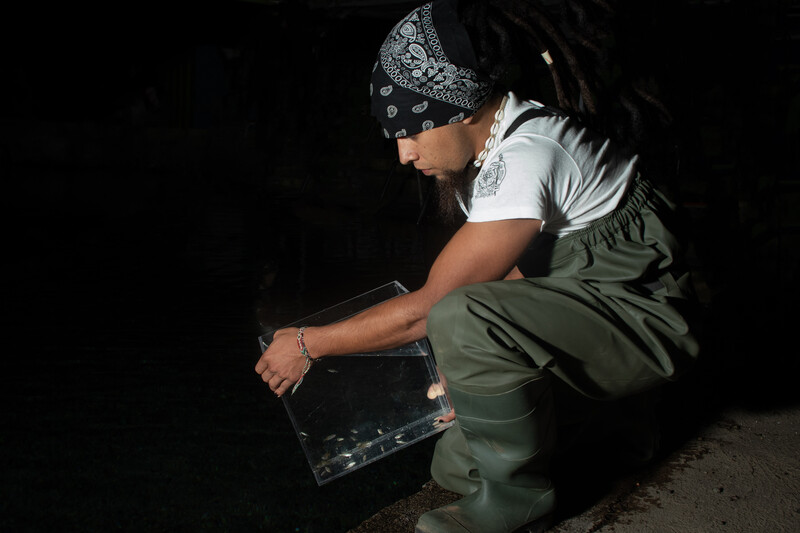
Because every species is different, with different habitats, biological needs, reproductive habits, behaviors, and threats, every species will require its own customized recovery plan. But generally, recovery strategies could include conservation breeding programs, head starting programs, translocations, disease management, non-native species control, anti-poaching programs, and habitat restoration. The project also benefits from a collaboration with the IUCN Species Survival Commission as a global knowledge partner to ensure the highest scientific rigor across the portfolio.
Supporting governments in meeting their global biodiversity targets.
The Phoenix Species Project supports the implementation of Target 4 of the CBD Kunming-Montreal Global Biodiversity Framework, which calls for governments around the world to halt extinctions and improve the conservation status of endangered species. The Phoenix Species Project is partnering with the Reverse the Red Action Partnership on this to support governments to identify priority species and activate recovery actions for every species in need.
Conservation works.
Species are the building blocks of ecosystems, which sustain all life on Earth. And we know that conservation of species and ecosystems works. A 2024 study led by Re:wild and partners found that conservation action can halt, and in many cases reverse, biodiversity loss. And, drawing on examples from across taxa, the authors of a 2021 peer-reviewed essay in Conservation Biology argued that even species reduced to tiny populations can recover with sufficient conservation funding, committed local partners, and action.

Founding Partners


Supporting Partners


Technical Expert Partners


Stay connected to species recovery
Receive updates on species recovery progress, new stories, and major milestones from the Phoenix Species Project.