At a Glance
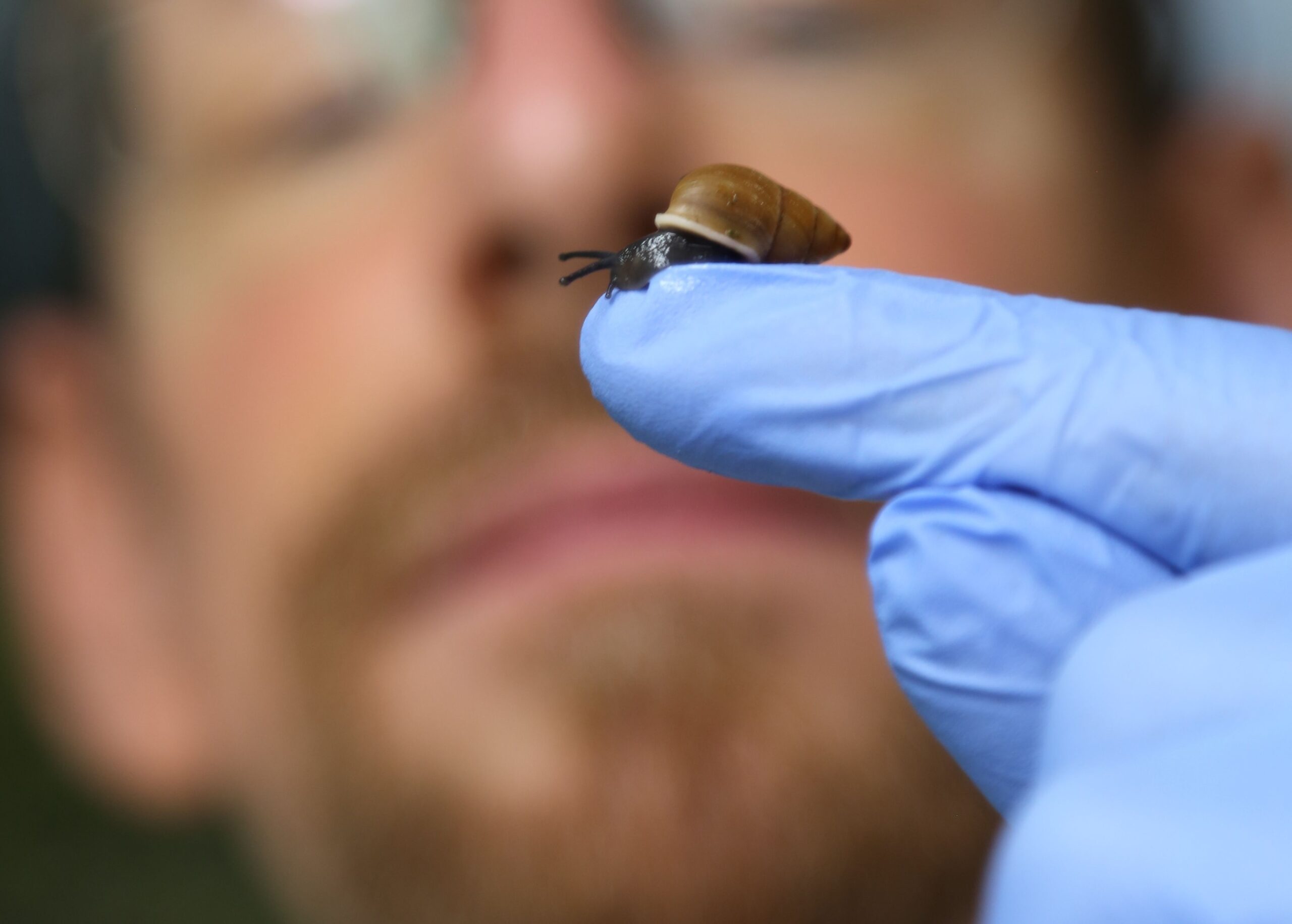
There was once around 100 species of Polynesian Tree Snails, which scientists call Partula, that lived in the Pacific Islands. Today, only about 50 Partula species still exist. One of those Polynesian Tree Snail species lives in Faaroa Valley in Tahiti and the population in the wild is estimated to only have fewer than 50 individuals. These tiny snails play an outsized role in the tropical forest where they live. They live in trees and on a species of semi-acquatic Elephant Ear plant. Pollynesian Tree Snails eat decaying plants and fungi, which helps keep diseases from spreading that thrive on decaying plant material.
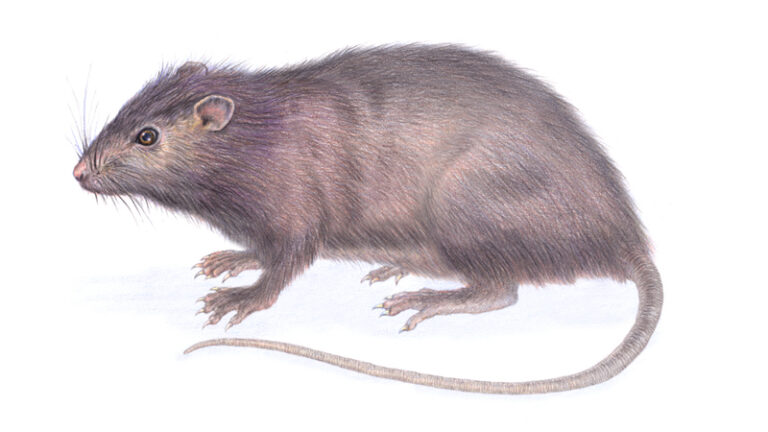
Many species of Polynesian Tree Snails nearly went extinct after the Rosy Wolf Snail was introduced to Tahiti in the mid 1970s. The invasive snail is carnivorous and preyed on Polynesian Tree Snails. The Rosy Wolf Snail has not established a foothold in the Faaroa Valley, which has allowed the tree snails there to survive.
Scientists and conservationists moved tree snails from Tahiti into a conservation breeding program. They have started reintroducing Partula species back to the wild and are monitoring the populations.
Polynesian Tree Snails produce eggs, which are kept inside their bodies. The eggs hatch internally and then the babies are delivered, which makes it seem like these snails give birth to live young! Their colorful shells helped scientists understand how species evolve on islands.
At a glance
Taxa
Invertebrates
Geography
French Polynesia
Status
Critically Endangered
Habitat
Forest
Estimated Population
About 1–50 wild individuals; about 250 in conservation breeding programs
Threats
Invasive predators; habitat loss; climate change; small population size
Potential Recovery Actions
Conservation breeding; habitat restoration; invasive species control; reintroduction; community engagement