At a Glance
Springing into action for an endemic freshwater fish
Reintroducing a playful pupfish to the Ojo de Agua Charco Azul
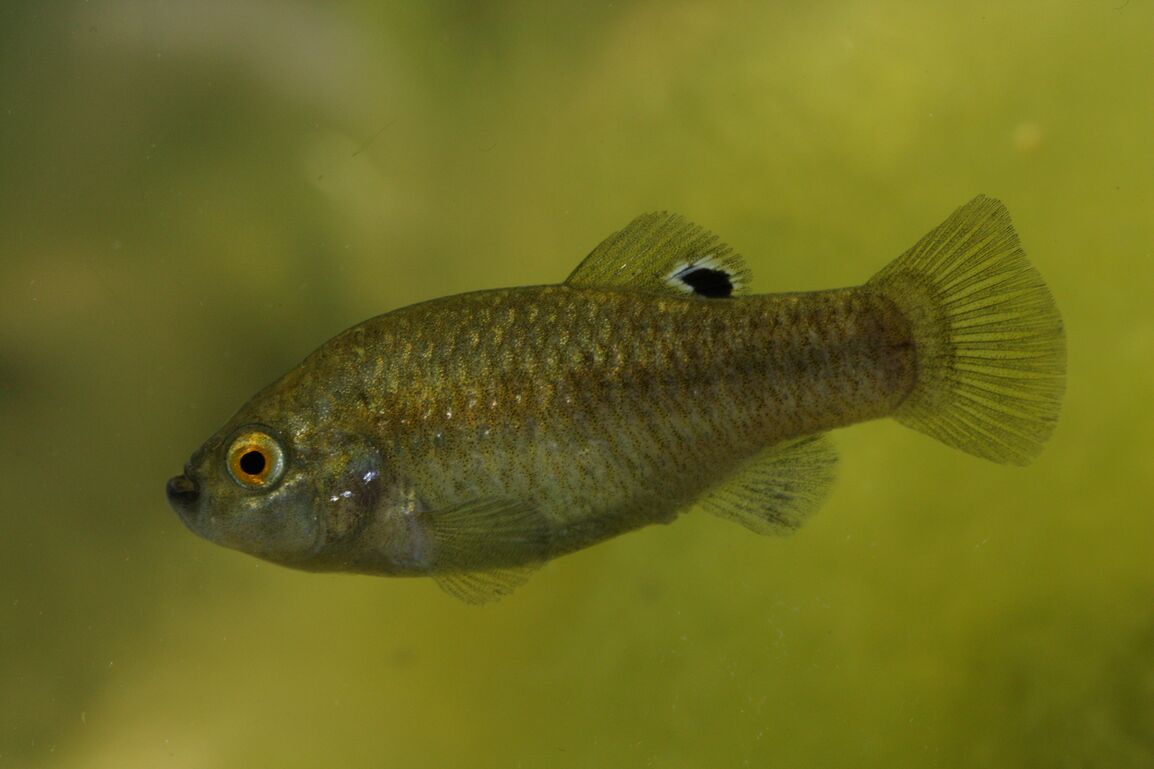
At less than 2 inches long, the small, nondescript Charco Azul Pupfish may not immediately command attention, but this species’ playful behavior and males’ ability to shift from brown to violet-blue during mating is part of what makes them stand out. They are also a fish that live in the last place you might expect a fish to live…the desert.
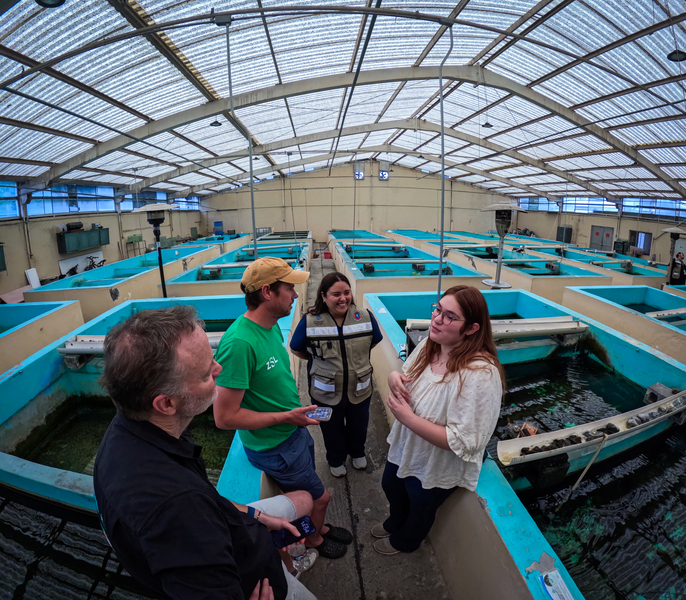
Or rather, they once lived in the desert. Charco Azul Pupfish once solely lived in an isolated spring called Ojo de Agua Charco Azul in the northeastern Mexican state of Nuevo León. After years of extracting water from the spring for local agriculture, a devastating drought ultimately dried up the spring completely by 1997. While this total loss of habitat caused at least three other species — a crayfish and two freshwater snails — to go extinct, the Charco Azul Pupfish caught a bit of a break: Conservationists took several of the fish into captivity before it was too late. In the decades since, professional aquarists in the U.K. have been raising and breeding a small population of these fish, biding their time until the species can be reintroduced to the wild.
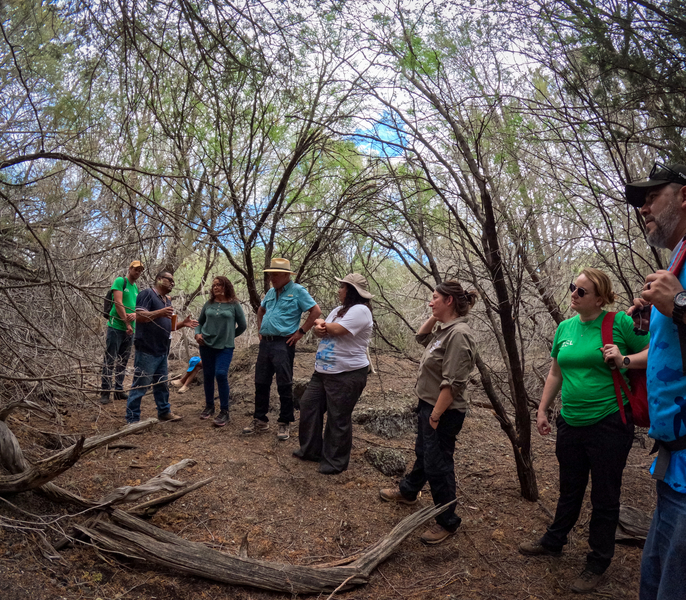
In 2023, conservationists assessed the site of the former spring. By combining technological tools, including drone surveys and 3D scanning of groundwater with consultations with hydrological experts and local community members, the researchers determined that some water has returned to the site, and rehabilitation of the spring — and reintroduction of the Charco Azul Pupfish — is possible. Collaboration with nearby communities on this effort will be essential to success, especially as climate change makes the state — which is also home to Monterrey, Mexico’s second-largest metropolitan area — even more prone to drought. Sustainably managing the region’s limited freshwater supply is essential for both people and wildlife to thrive. And if the desert spring can flow again, this tiny, sometimes violet-blue flash of life may one day dart through its waters once more.
Fun Fact:
Charco Azul Pupfish are called “pupfish” because of their active playful behavior, chasing one another and nipping at each other’s tails.
At a glance
Geography
Mexico
Status
Extinct in the wild
Habitat
Freshwater spring
Estimated Population
No known population left in the wild, there are 266 individuals kept in captivity.
Threats
Groundwater extraction for agriculture; habitat destruction
At a Glance
The Crisis
The Charco Azul Pupfish once lived in a single spring in the Chihuahuan Desert of northeastern Mexico. But as groundwater was increasingly pumped for agriculture, the spring that sustained the fish gradually dried up until its habitat disappeared entirely. By the mid-1990s, the species had vanished from the wild. Today, the Charco Palma Pupfish survives only in conservation breeding programs.
The Recovery Plan
The Freshwater Biodiversity Conservation Group of the Autonomous University of the State of Morelos will lead an effort to reintroduce Charco Azul Pupfish raised in human care to the wild. They will work with international partners to increase the population of pupfish living in labs and aquariums that can eventually be moved to Mexico and will assess the condition of the Ojo de Agua Charco Azul with local communities to make sure it is not at such a high risk of being depleted in the future and that it can support pupfish and people.
Partner Spotlight
The Freshwater Biodiversity Conservation Group of the Autonomous University of the State of Morelos (UAEM) has ample experience in implementing freshwater species conservation in Mexico, as its members have worked and are working with local communities, governments, and other stakeholders in the conservation of several fish (Graodus boucardi, Astyanax salvatoris, Poeciliopsis balsas, among others) and other species. UAEM hosts the co-chair of the IUCN/SSC Freshwater Conservation Committee. This committee has been involved in assessing and communicating related to freshwater biodiversity and has established alliances to develop conservation projects in different regions of Mexico and other parts of the world, seeking to address the global biodiversity crisis occurring in freshwater ecosystems.

“The Charco Azul Pupfish not only deserves to return to nature, but it has the right to do so, and we all have the responsibility to make this happen. Our project is ambitious because we will restore an aquatic ecosystem from scratch in one of the driest desert regions of Mexico. And we will do it hand-in-hand with the people from the local community who once knew and loved these beautiful fish.”
Topiltzin Contreras-MacBeath
Centro de Investigaciones Biológicas, UAEM