At a Glance
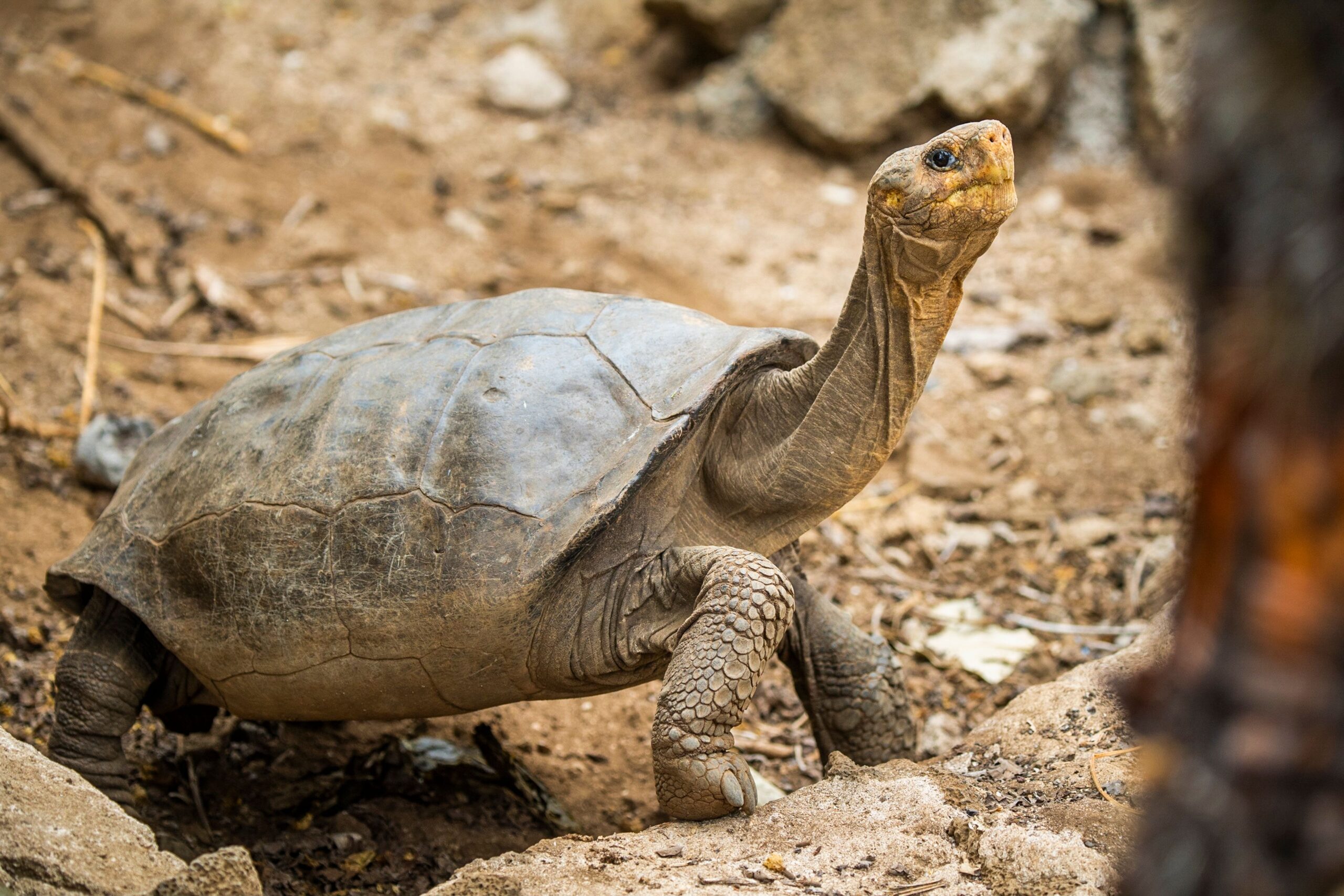
The natural world is bursting with all manner of stories — from the mysterious and the melancholy to the unusual, the surprising and the outright extraordinary. The case of the Fernandina Giant Tortoise is all of the above. In the entire world, only one of these tortoises is known to survive: a female, now fondly referred to as ‘Fernanda’, discovered alone on Fernandina Island in the Galápagos archipelago in 2019. It was the first time the species had been documented in more than a century.
Originally described by science in 1906, the Fernandina Giant Tortoise was believed extinct until a blood sample from Fernanda, analyzed by geneticists at Yale University, confirmed that she was, in fact, one of the long-lost Fernandina tortoises. Her rediscovery inspired hope that there might be others surviving on the island.
Unfortunately, to date, no other Fernandina Giant Tortoises have been found. While scientists have not given up hope of one day locating a companion or mate for Fernanda, her story is a powerful reminder of the importance of efforts to conserve and protect wildlife, as well as the challenges and the tragedy that too often accompany the work.
Giant tortoises are considered ecosystem engineers, playing a critical role in the health of island ecosystems where they roam. Scientists believe they first arrived in the Galápagos somewhere between 2-to-3 million years ago, originating from mainland South America, and gradually evolved into several distinct subspecies throughout the archipelagos. Today, thirteen of those subspecies survive.
Giant tortoises can live for more than a century. Fernanda is estimated to be around 50 years old.
At a glance
Taxa
Reptiles
Geography
Ecuador
Status
Critically Endangered
Habitat
Arid volcanic landscape
Estimated Population
One known female
Threats
Single known individual; extreme volcanic environment
Potential Recovery Actions
Conservation biotechnology research; cloning exploration