At a Glance
Recovering a seabird that supports life from ridge to reef
Strengthening the island-ocean connection
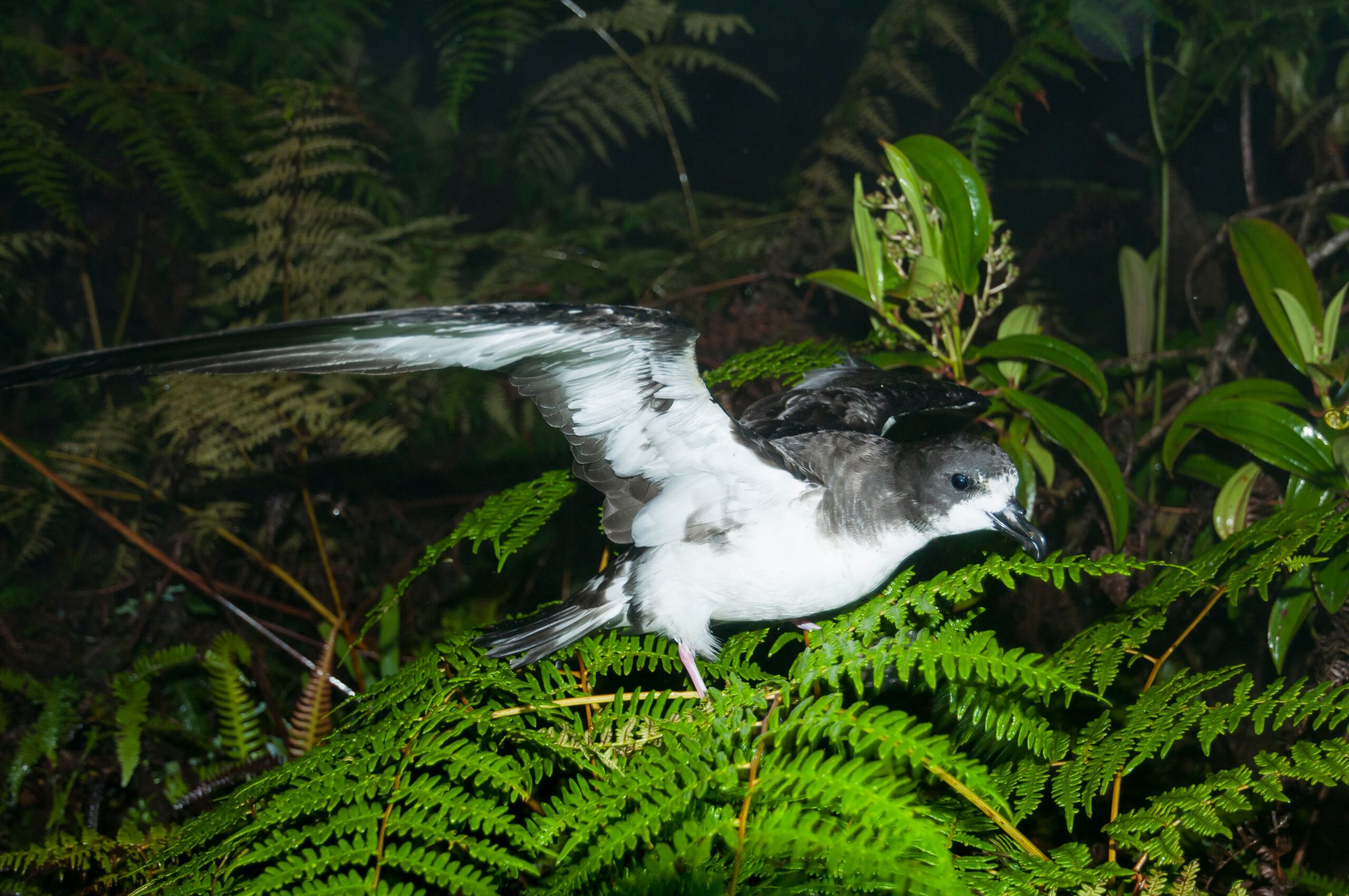
The Galápagos Petrel is an example of the island-ocean connection in bird form. This seabird spends most of its life on the open sea; young Galápagos Petrels can spend five-to-six years out on the ocean before returning to land to nest and breed for the first time. When they come back, they bring nutrients from the sea to the islands through their guano, which fertilizes the soil and encourages native plant growth. In this way, the Galápagos Petrel plays a valuable and critical role in promoting biodiversity across the Galápagos archipelago, a seabird literally linking life in the ocean and life on land, a testament to the interdependent nature of… well, nature.
How does the Galápagos Petrel survive so long out at sea without access to fresh water? Like other petrels and seabirds like albatrosses and shearwaters, the Galápagos Petrel can drink seawater. Known as “tubenoses,” these birds have special highly-developed glands that excrete excess salt, meaning that the Galápagos Petrel could go its whole life without ever needing to find a pool of freshwater to drink from.
At sea, the Galápagos Petrel has it made. With whole oceans to scour for their meals and to hydrate from, it might surprise you to know that fewer than 15,000 of these fascinating seabirds currently survive.
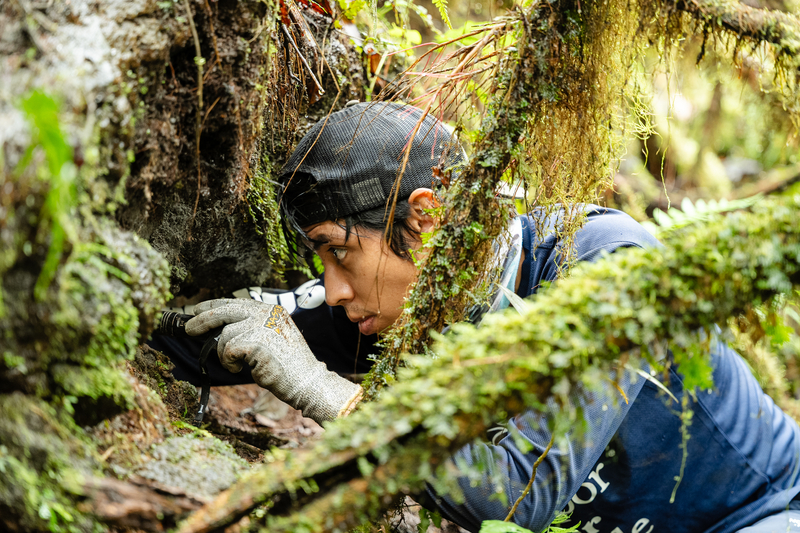
To protect the Galápagos Petrel and encourage population growth, conservationists monitor nesting sites, work to remove invasive species, restore native forest and form partnerships with landowners on private islands where the Galápagos Petrel return to nest.
Fun Fact:
Although they are seabirds, Galápagos Petrels dig burrows for nests high in the forested highlands, not on the coast.
At a glance
Geography
Ecuador
Status
Critically Endangered
Habitat
Nests on forested volcanic cone slopes on five islands
Estimated Population
Less than 15,000
Threats
Invasive predators at nesting sites
The Crisis
Invasive species are amongst the species’ greatest threats; Galápagos Petrel nesting sites are vulnerable to predation by rats and feral cats introduced to the islands by humans. Even the Asian Blackberry, introduced to the islands in the 1960s, poses a problem for the petrel, because it grows so aggressively and blocks access to nesting sites. These birds make their nests in underground burrows, where they lay a single egg each year. Because they reproduce so slowly, Galápagos Petrel populations can take time to recover from decline, and the loss of a single adult is significant.
The Phoenix Recovery Plan
To protect the Galápagos Petrel and encourage population growth, conservationists will monitor nesting sites, work to remove invasive species, restore native forest and form partnerships with landowners on private islands where the Galápagos Petrel return to nest.
Partner Spotlight
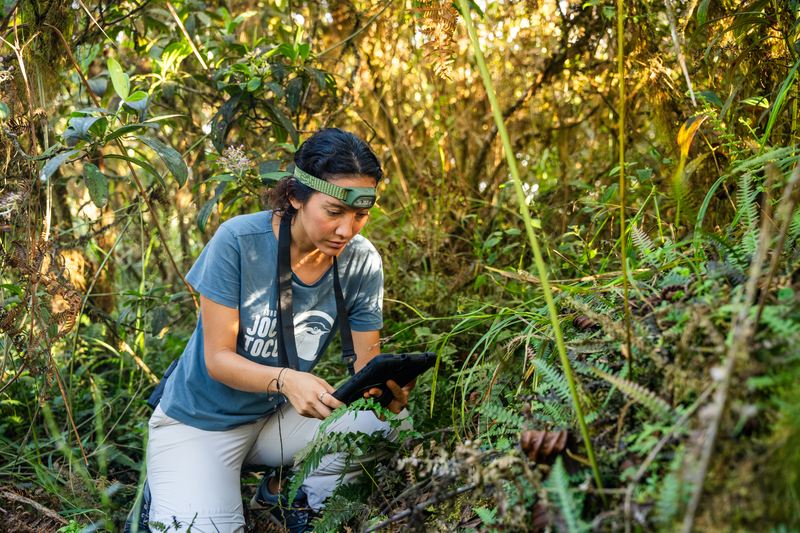
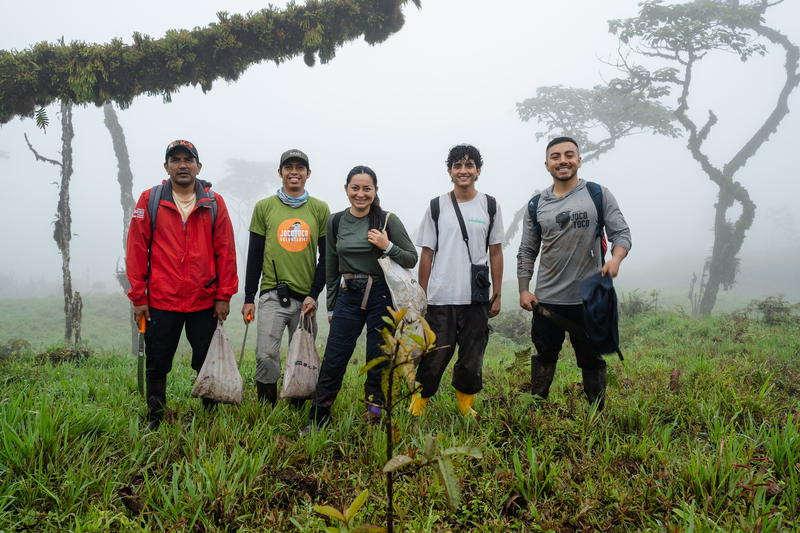
Fundación Jocotoco is an Ecuadorian conservation NGO founded in 1998. Jocotoco’s mission is to protect 10% of Earth’s biodiversity, focusing on threatened species and ecosystems, guided by science and local leadership. Their vision is permanently protected, connected, and resilient ecosystems in the most diverse and threatened places in Latin America, for the benefit of future generations.
“In a time of unprecedented biodiversity loss, no organization can succeed alone. The Phoenix initiative brings together nearly 100 conservation projects around the world, working to prevent species extinctions. We are happy that the Critically Endangered Galápagos Petrel is one of the beneficiary species and excited to be part of this global initiative that gives us hope and strengthens our ability to protect and recover this unique seabird through collaboration, innovation, and long-term conservation action.”
Paola Sangolquí
Marine conservation coordinator, Galápagos Program, Jocotoco