At a Glance
Leaping to the aid of a Critically Endangered Sifaka
Connecting the habitat of the caretakers of a Malagasy forest
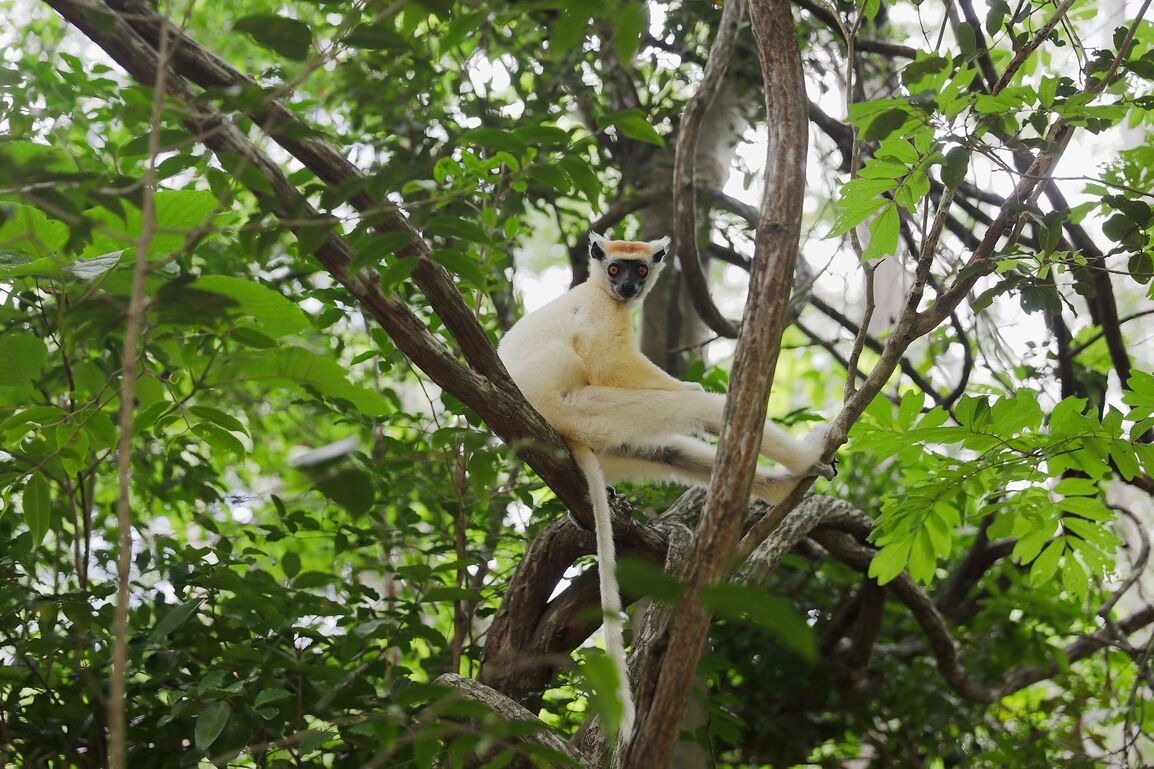
In a hot, dry corner of northeastern Madagascar between the Loky and Manambato rivers lives a lemur known as the Golden-crowned Sifaka. The species gets its name from a golden brown patch of fur on top of its head, which looks like a crown perched on its body which is covered in white or honey-colored hair. Like other sifakas, this species travels through trees by using its powerful hind legs to leap vertically from trunk to trunk. Primatologists did not discover the species until 1974 and the species was described for science in 1988.
Golden-crowned Sifakas live in small family groups and mark their territories using scent glands. Females have only one short breeding window every year, which means that they reproduce slowly and can’t quickly bounce back from a shrinking population.
Since they spend much of their time up in the trees, they are connoisseurs of edible plants in the forest. Their diet primarily consists of young leaves and fruits from over 40 tree species, though they adapt to the region’s harsh dry seasons by eating tougher seeds and bark. The lemurs act as vital caretakers of the forests where they live because they disperse seeds of the plants they eat, ensuring that the plants regenerate, maintaining the unique balance of endemic forests.
Out of the more than 100 recognized species of lemur in Madagascar, the Golden-crowned Sifaka has one of the smallest areas of remaining habitat. But there’s also good news: The species appears to be resilient even amid shrinking forest habitats. Researchers have observed them in small forest fragments, as well as traveling 600 feet across the ground between forest patches. Given that deforestation is the main overarching threat to the Golden-crowned Sifaka’s future, this is a promising sign for the species’ ability to maintain genetic diversity and survive for generations to come.
Fun Fact:
Female Golden-crowned Sifakas are dominant in their family groups.
At a glance
Geography
Madagascar
Status
Critically Endangered
Habitat
Dry deciduous and semi-evergreen forests
Estimated Population
~ 10,000 individuals
Threats
Habitat destruction for agriculture, mining, timber and charcoal
At a Glance
The Crisis
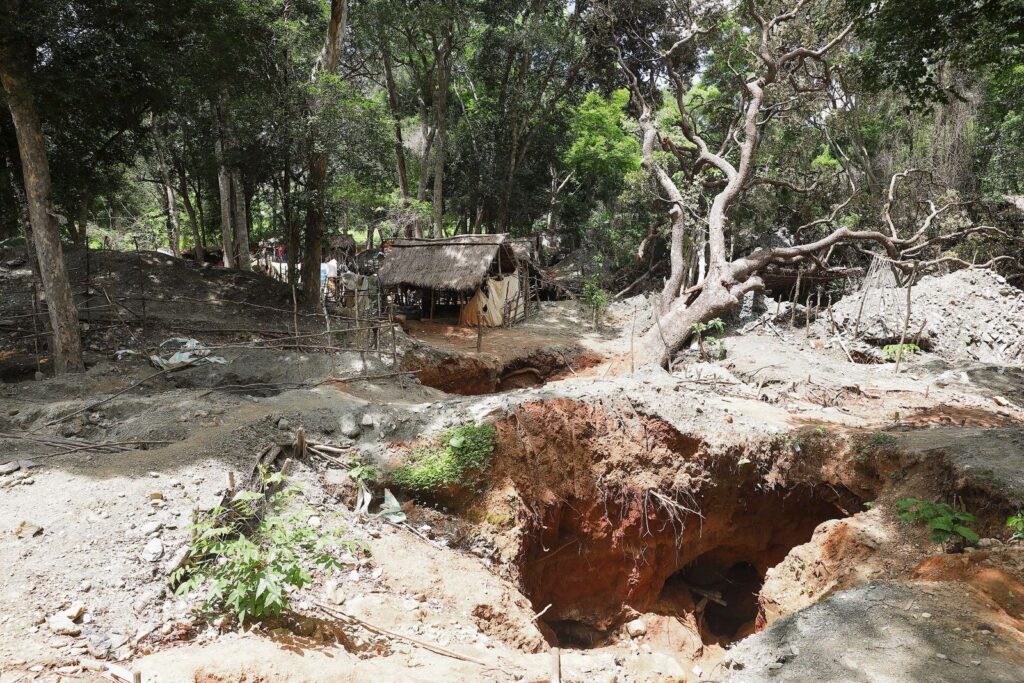
Scientists estimate that the Golden-crowned Sifaka has declined at least 80% since the 1980s. In a country that has lost up to 90% of its original forest cover, habitat destruction from slash-and-burn agriculture, logging for firewood and precious wood, gold mining, charcoal extraction and fires exacerbated by climate change have likely had the biggest impact on Golden-crowned Sifaka. Poaching is also becoming a threat: While local communities generally consider hunting Golden-crowned Sifakas to be fady (taboo), the influx of gold miners from outside the region has led to more lemurs being hunted for food.
The Phoenix Recovery Plan
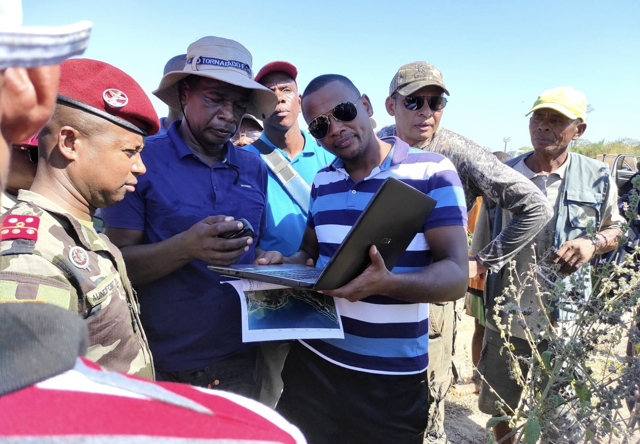
Association Fanamby will lead efforts to restore and reconnect severely fragmented dry forest habitats in the Loky-Manambato region. They will work with local communities to reduce the threats to the Golden-crowned Sifaka, connect habitats and co-manage those habitats with communities. As the genetic diversity of the sifaka population improves and grows, the forests where the sifaka live will begin to recover as the lemurs disperse seeds of native species as they move through the forest canopy. Local communities will be able to better detect logging, fires and will benefit from ecotourism that employs local guides.
Partner Spotlight
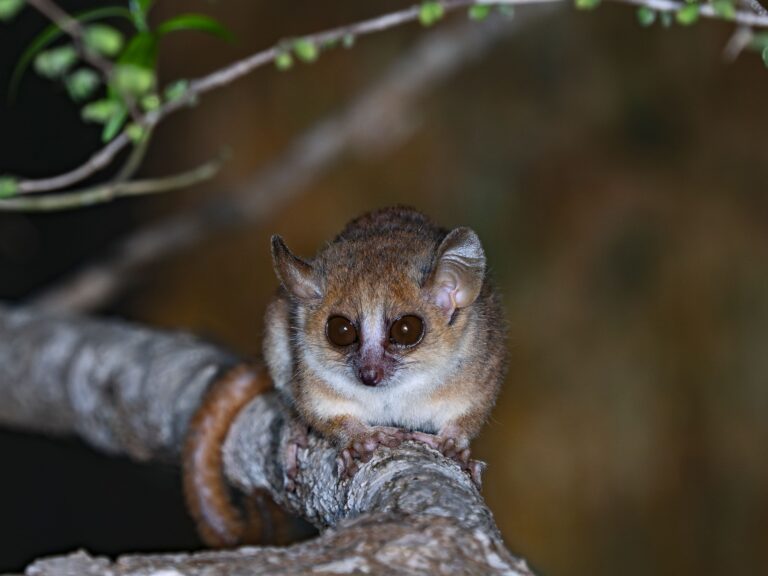
Fanamby has a strong track record of delivering conservation outcomes across five protected areas, covering approximately 541,000 hectares. Their work focuses on protecting threatened flagship species and their habitats through enhanced protection measures, ecological monitoring, and habitat restoration. Species they work with include: Perrier’s Sifaka, Madame Berthe’s Mouse Lemur, Indri and Golden-crowned Sifaka.
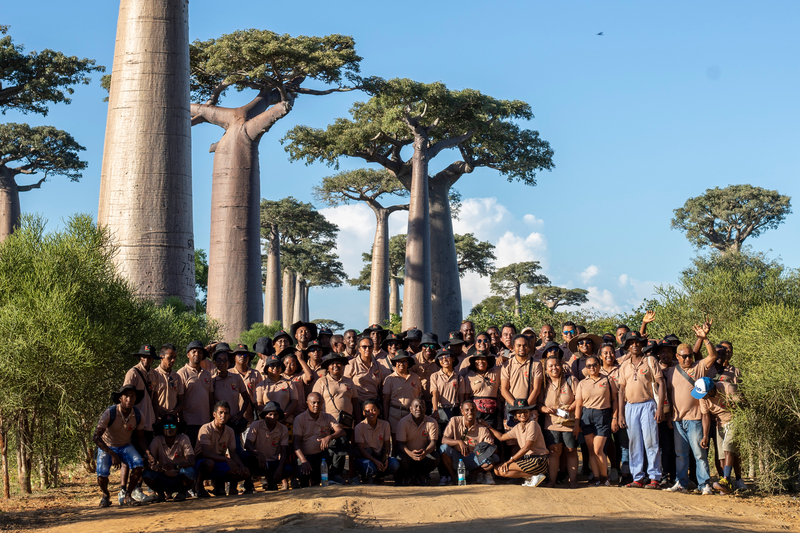
“We’ve protected the Golden-crowned Sifaka for years on a budget that would never match what this species deserves, but letting it go extinct was never an option. This funding, this global platform and technical support change what is possible. We are no longer only holding the line against extinction; we can begin to bring the gold of Madagascar’s northern forests back. In doing so, we protect the landscapes that give Malagasy people drinking water, we open real ecotourism opportunities for local communities, and we prove that conservation succeeds only when everyone has a role in it. People and wildlife always thrived together; we only became disconnected, and now it is a homecoming.”
Tiana Andriamanana
Executive director of Association Fanamby