At a Glance
Buttoned up in the desert
Saving a rare dwarf succulent
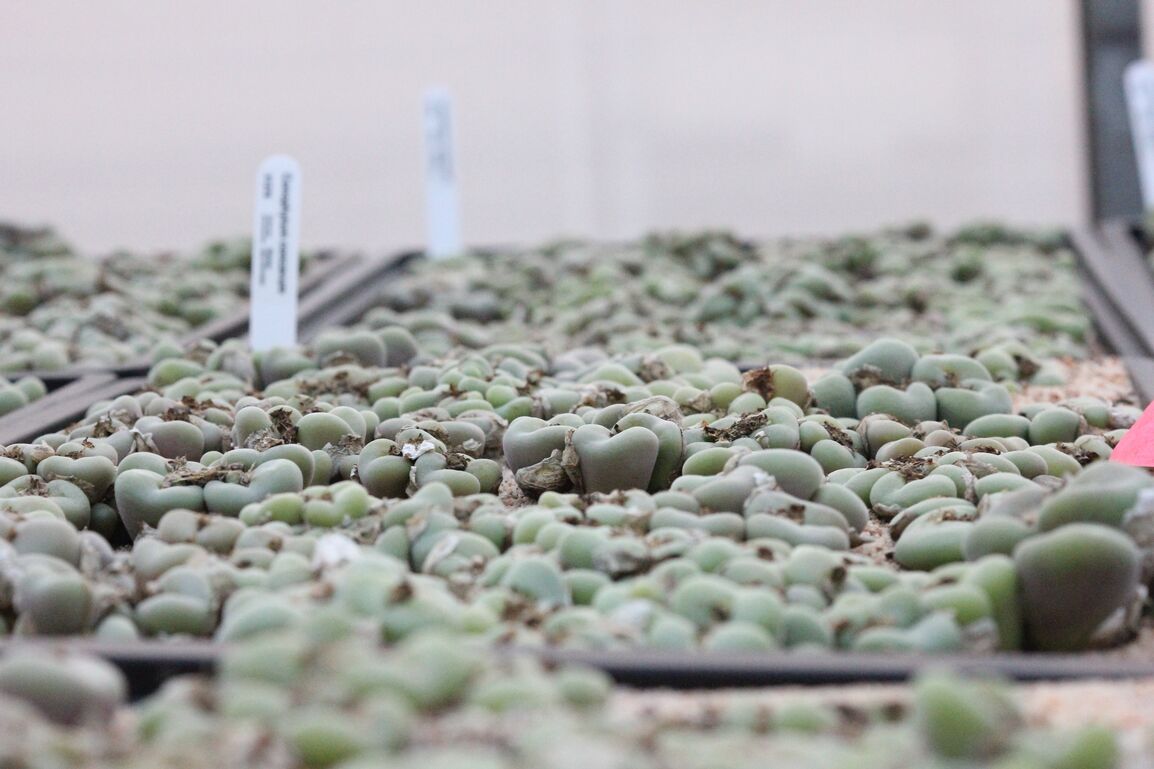
In western South Africa, a tiny succulent is quickly vanishing from the coastal desert where it has grown for millennia. So named for the plant’s button-like appearance, each “button” of the Fuzzy Belly Button is actually made up of two leaves fused together in a shape designed to absorb and retain as much water as possible in the hot, dry climate. In the late summer and fall, the plant produces honey-scented, daisy-like flowers, bringing some fleeting beauty to the often stark landscape. It can take about 10 years for a Fuzzy Belly Button to reach maturity and reproduce.
.
Fun Fact:
The Fuzzy Belly Button’s flowers, which bloom in later summer and fall, smell like honey.
At a glance
Geography
South Africa
Status
Critically Endangered
Habitat
Coastal desert
Estimated Population
Less than 1,000 plants
Threats
Illegal unsustainable harvesting
At a Glance
The Crisis
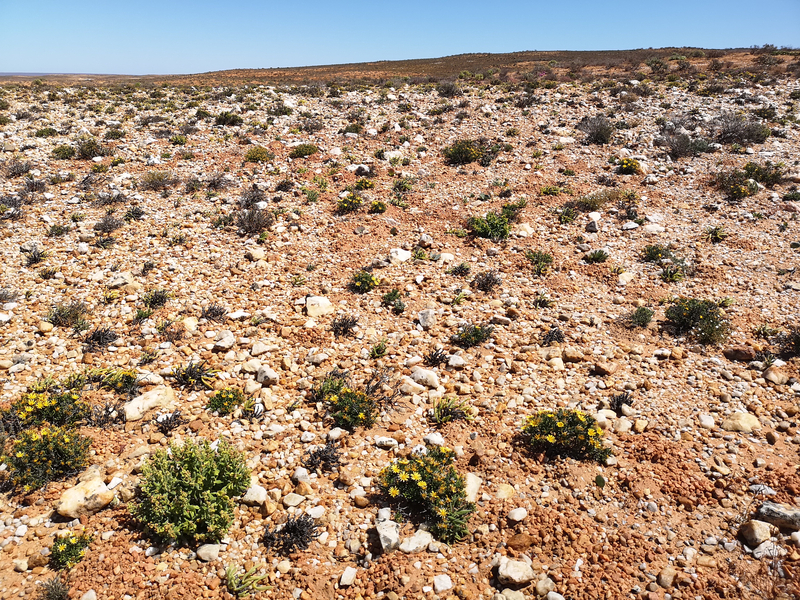
The species is known to grow only in a single location: in a protected area in Northern Cape province. While climate change will likely pose a long-term threat, the most pressing cause of its wild decline is illegal harvesting for the ornamental plant trade. Researchers believe that plant traffickers have removed at least 90% of the wild Fuzzy Belly Buttons from their habitat. The plants’ slow growth and reproductive cycles make their protection especially urgent to prevent them from being lost forever.
The Phoenix Recovery Plan
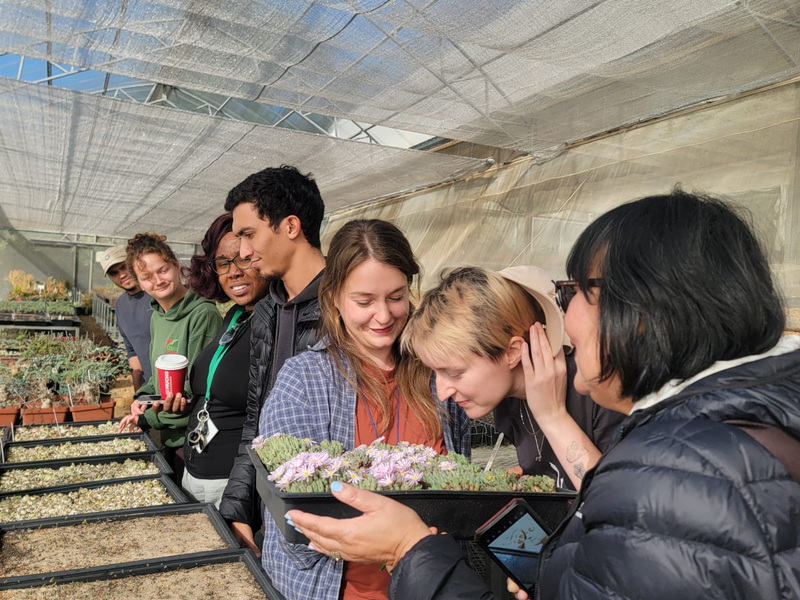
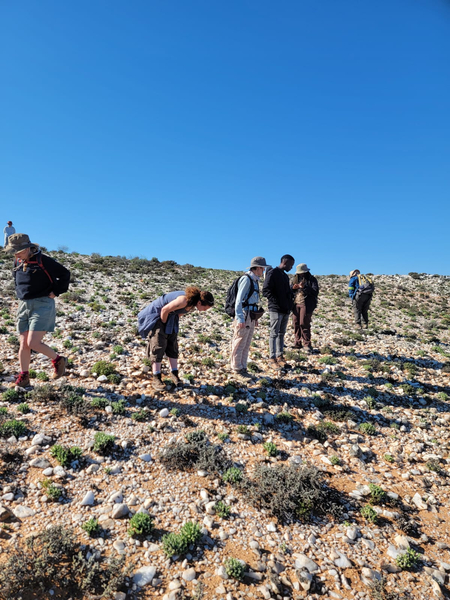
As part of the recovery plan, local partners will establish a secure conservation collection for the species in human care that will safeguard the Fuzzy Belly Button against catastrophic loss and provide genetic diversity needed to help the wild population thrive. Wilderness Foundation Africa will increase the wild population to more than 25,000 plants over five years. The translocations will be complemented by habitat protection and restoration efforts. Partners will focus on protecting the succulents and their habitat from poaching using camera traps and increasing ranger patrols. Wilderness Foundation Africa will also help expand the button’s range by restoring areas where it could survive. A youth conservation support team will assist with planting, monitoring, and maintenance, linking the species’ recovery with local job creation and skills development.
Partner Spotlight
The South African National Biodiversity Institute (SANBI) contributes to South Africa’s sustainable development by facilitating access to biodiversity data, generating information and knowledge, building capacity, providing policy advice, and showcasing and conserving biodiversity in its national botanical and zoological gardens.