At a Glance
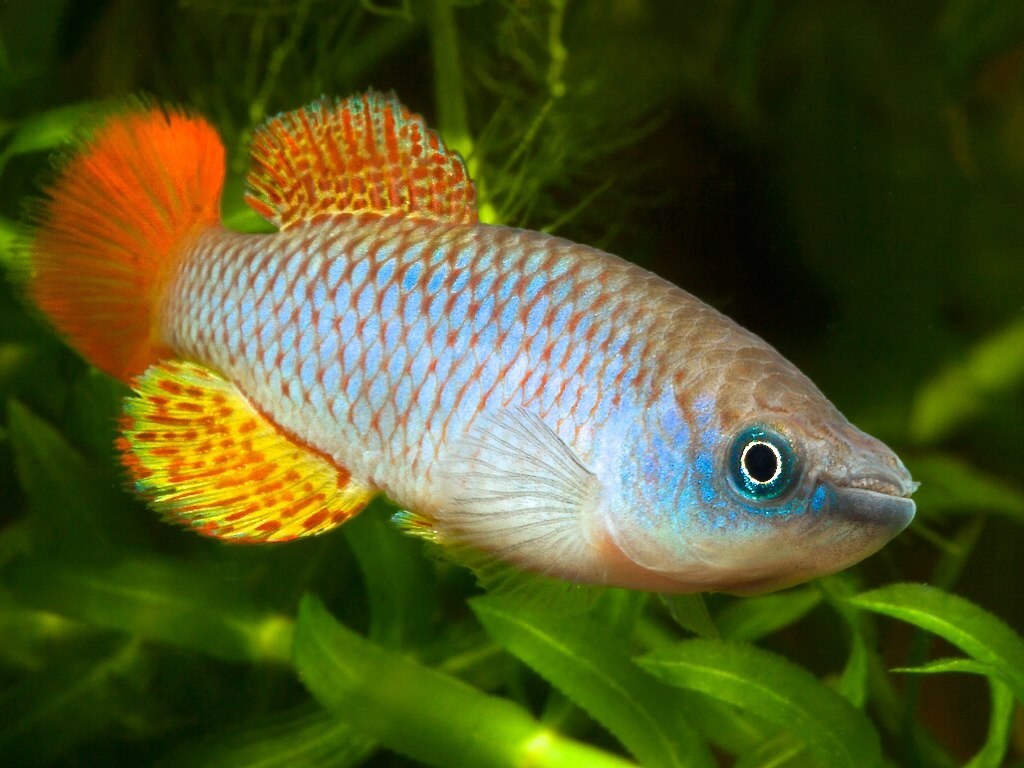
Steinfort’s Killifish is a little bit like a fish out of water! This freshwater fish is only found in a small number of ephemeral pools and swamps within the upper Rufiji River Basin in Eastern Tanzania. Tanzania has an exceptional diversity of killifish and is home to 47 of the 97 known fish in the genus Nothobranchius. Like other African annual killifish, the Steinfort’s Killifish’s lifecycle is closely tied and timed with the rainy season. The tiny fish lives and breeds in the temporary pools, depositing its eggs on the muddy bottom of the pools. The eggs begin to develop, but then pause when the pools dry up. The pause lasts until the next rainy season. When the rains come again, the eggs resume developing and the fish hatch, mature, breed and the cycle starts again.
Steinfort’s Killifish live in fragile ecosystems that support unique biodiversity and play an important role in maintaining freshwater ecological processes. However, because the species is found in only a handful of isolated sites and depends entirely on seasonal short-lived habitats, it is highly vulnerable to environmental changes. The loss or degradation of even a few breeding sites can have significant consequences for the survival of the species.
The primary threats to Steinfort’s Killifish are habitat loss and destruction driven by agricultural expansion, land conversion, pollution, and droughts associated made increasingly severe by climate change. The pressures have caused the number of seasonal pools and wetlands that the species relies on to reproduce to decline and disappear. Given its extremely restricted range, specialized breeding ecology, and declining habitat quality, the species faces a high risk of extinction.
At a glance
Taxa
Fish
Geography
Tanzania
Status
Critically Endangered
Habitat
Temporary freshwater pools
Estimated Population
Unknown; not recorded since the original collections and possibly extinct
Threats
Habitat loss; habitat degradation
Potential Recovery Actions
Surveys to confirm persistence; habitat protection