At a Glance
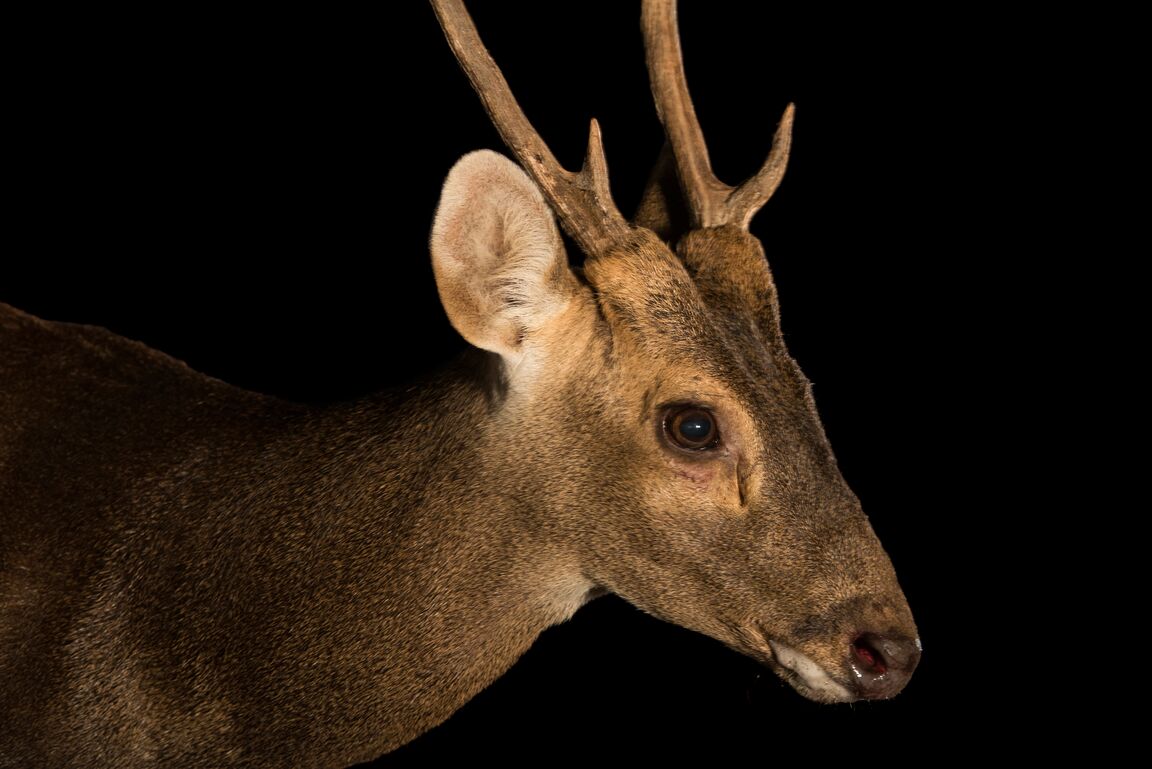
Less than 100 miles north of the world’s most populous island — Java, Indonesia —one of the planet’s rarest deer species is fighting for survival. The Bawean Deer resides only on the small volcanic island of Bawean, which is about the size of Washington, D.C. However, the deer’s remaining habitat is even smaller than that, as much of Bawean’s native forest has been cleared to make way for agriculture and teak plantations. The Bawean Deer is smaller than most deer species, and like other herbivores, the species helps disperse seeds that maintain healthy forests. As one of the island’s most unique endemic species, the Bawean Deer is also valued in local culture; it was among the three mascots chosen by Indonesia to represent the 2018 Asian Games. After years of habitat destruction and hunting took a toll on the island’s deer population, the Indonesian government banned hunting in 1977. Since then, the loss of individuals due to direct human activity (such as being hit by a car or intentionally hunted) has been minimal. However, a 2023 paper based on two years of camera-trap surveys estimated the population to be between 120 and 277 mature individuals, a decline since the 1970s. While more research is needed to determine the biggest drivers of this decline, island species are especially vulnerable to extinction due to factors including low genetic diversity and having few places to go if their habitat is destroyed. And new threats, such as feral and invasive species, have also emerged. The Bawean Deer is most threatened by snares set by farmers. The snares are intended to protect crops from wild pigs. The deer are also often killed by free-ranging dogs. While the deer have been observed in a variety of forested landscapes, including tree plantations and community forests, the islands’ protected areas have served as an essential refuge for the species.
At a glance
Taxa
Mammals
Geography
Indonesia
Status
Critically Endangered
Habitat
Tropical rainforest
Estimated Population
Less than 500 individuals
Threats
Hunting; habitat destruction for teak plantations
Potential Recovery Actions
Conservation breeding and reintroduction