At a Glance
Critical action for the Kiwikiu
Helping an endemic island bird recover from introduced threats
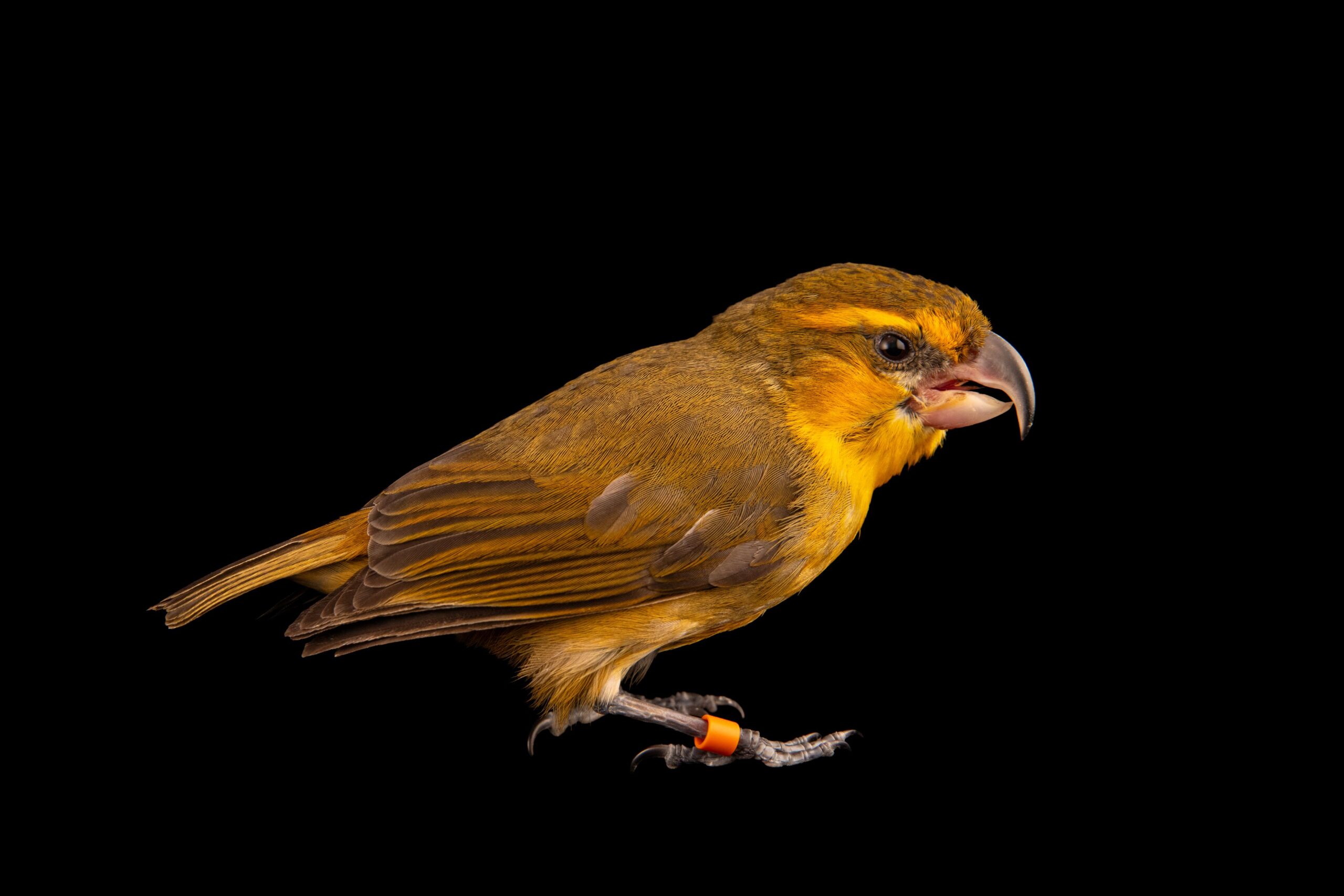
The Maui Parrotbill, or Kiwikiu, only lives on the island of Maui in the Hawaiian Islands. It lives in a sliver of tropical forest that is between 1,200 and 2,350 meters above sea level.
Adults are monogamous and typically raise one chick every year. The chick stays with its parents for up to 17 months (though it is only dependent on its parents for five to eight months) learning to forage for the larvae and pupae of beetles, moths and other invertebrates. Kiwikiu forage along the branches of several native plants and trees and scientists have found that the species doesn’t seem to thrive in areas heavily forested with non-native plants and trees.
Despite all of the threats to the Kiwikiu their habitat is now fenced off, largely protecting them from non-native ungulates such as feral pigs, and conservationists are working to remove other non-native species. Conservationists are currently working to protect and recover habitat that the Kiwikiu need to survive and grow a conservation breeding program. Without immediate and urgent help, the species could become functionally extinct within 10 years.
At a glance
Geography
United States
Status
Critically Endangered
Habitat
Tropical and tropical montane forest
Estimated Population
About 100
Threats
Avian malaria; avian pox; invasive species; climate change; severe weather
Fun Fact:
The Maui Parrotbill’s Hawaiian name, Kiwikiu, refers to the bird’s distinctive curved bill and is meant to evoke the cool mountain winds of its native forest.
At a Glance
The Crisis
The biggest threat to Kiwikiu is avian malaria which due to warming temperatures from climate change is now able to spread at higher elevations on Maui, but it’s not the only disease threat. Avian pox is also deadly for the Kiwikiu. The diseases arrived on Maui with non-native livestock, and as feral pigs degraded forest it allowed disease-carrying mosquitoes to spread avian malaria to remote forests where the birds live. Other non-native species, including rats, owls, mongooses and insects have also caused Kiwikiu numbers to decline. On top of that, severe weather can also cause young birds to die. The forests where the Kiwikiu live are also under pressure from logging and cattle ranching..
The Phoenix Recovery Plan
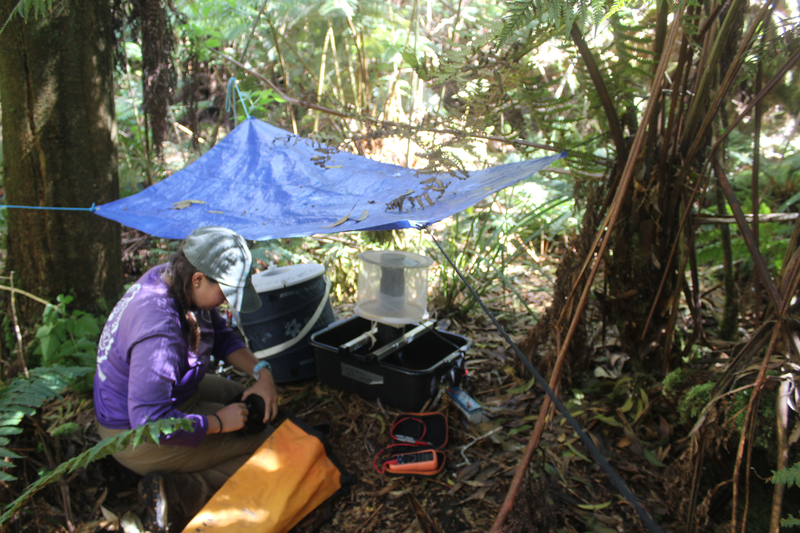
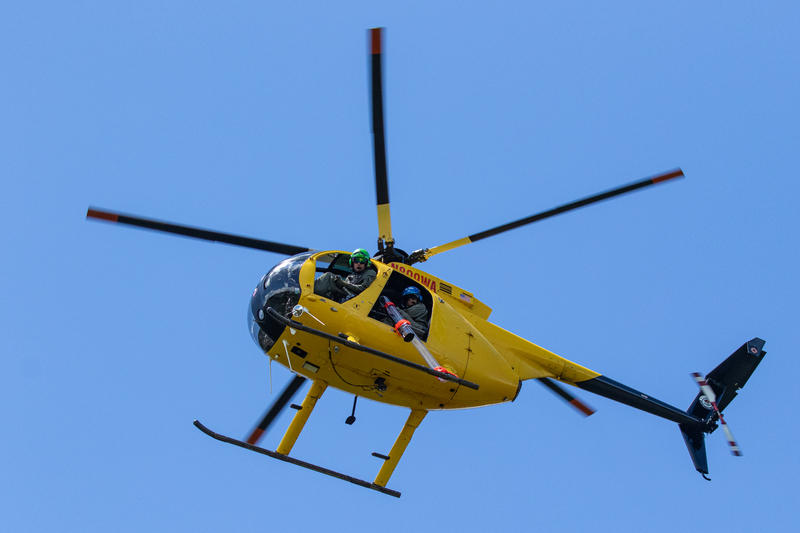
The Phoenix Species Project will support efforts by partners to control and stop the spread of avian diseases on Maui, controlling non-native species, restoring parrotbill habitat, expanding conservation breeding and eventually reintroducing the species to the wild.
Partner Spotlight
American Bird Conservancy (ABC) takes bold action to conserve wild birds and their habitats throughout the Americas. Inspired by the wonder of birds, they achieve lasting results for the bird species most in need while also benefiting human communities, biodiversity, and the planet’s fragile climate. In Hawaiʻi, ABC works to eliminate the biggest threats to Hawaiʻi’s imperiled birds, from mosquito-borne avian malaria to habitat loss, and prevent extinctions.
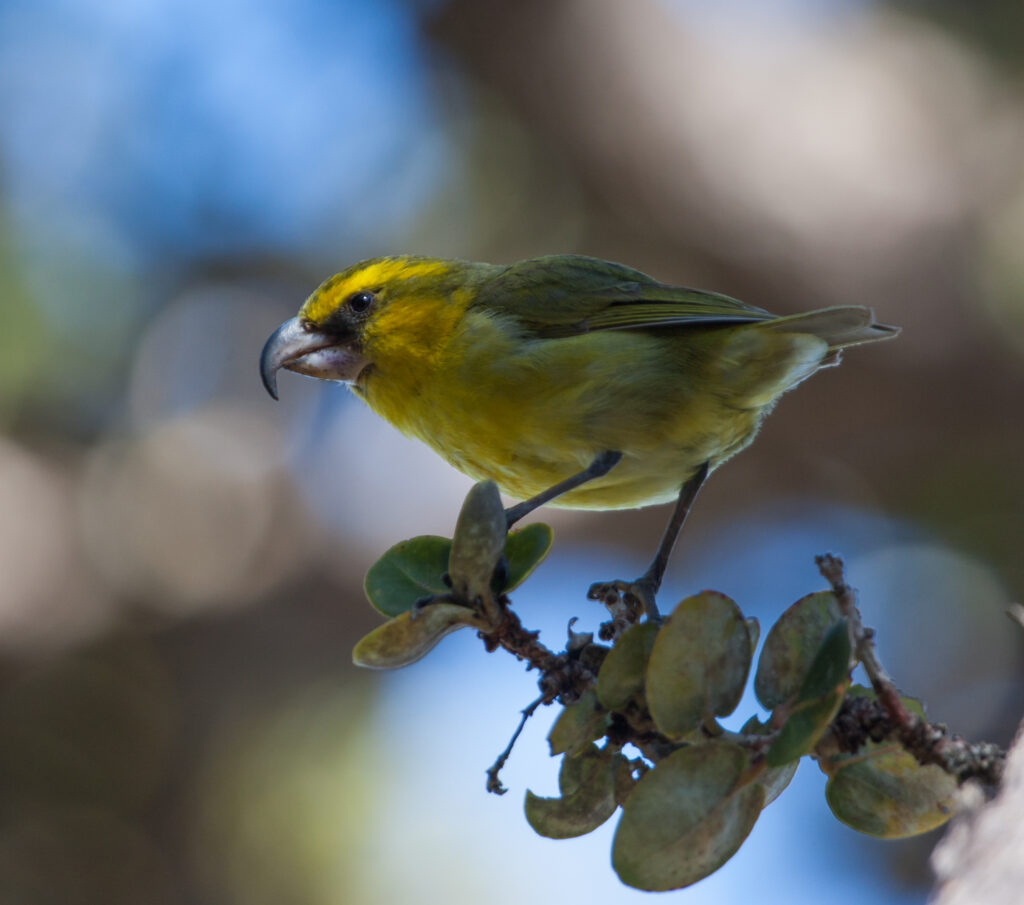
“The Kiwikiu, or Maui Parrotbill, is one of the world’s rarest and most unique birds, living only in the remote forests of Maui in the Hawaiian Islands. The Phoenix Species Project will enable American Bird Conservancy and our partners to give this species a new chance at survival and recovery.”
Chris Farmer
Hawai‘i program director, American Bird Conservancy