Africa

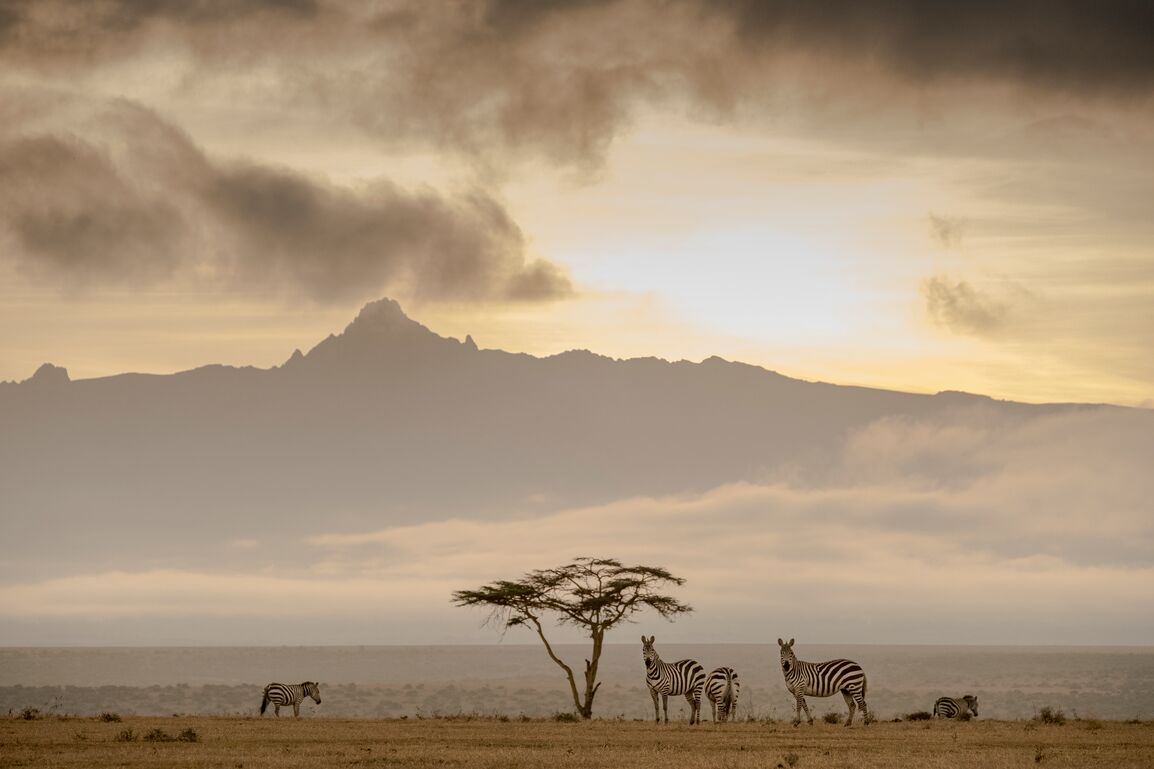
From the volcanic peaks of the Congo to the fynbos of South Africa’s Western Cape, Africa holds ecosystems found nowhere else on Earth. These are not just places of extraordinary beauty, but places that people and species have depended on for millennia, and still do.
Africa
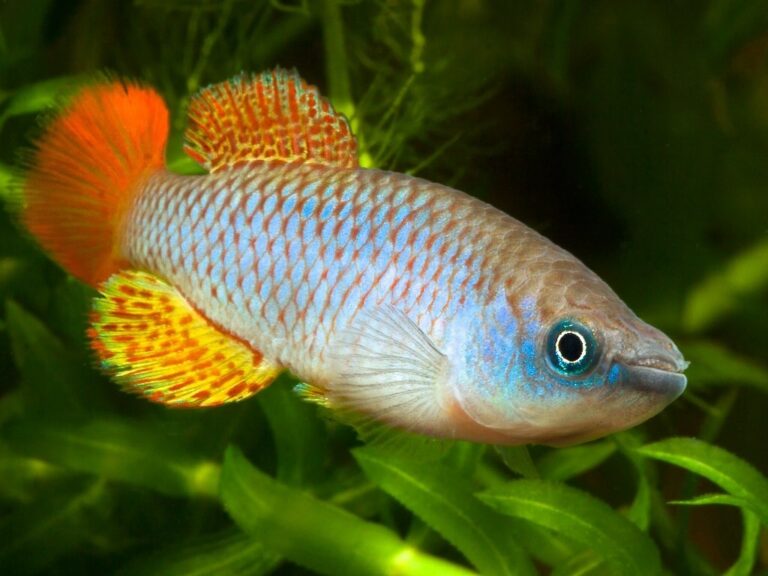
Fish | Critically Endangered

Steinfort’s Killifish

Nothobranchius steinforti

Learn More
Africa
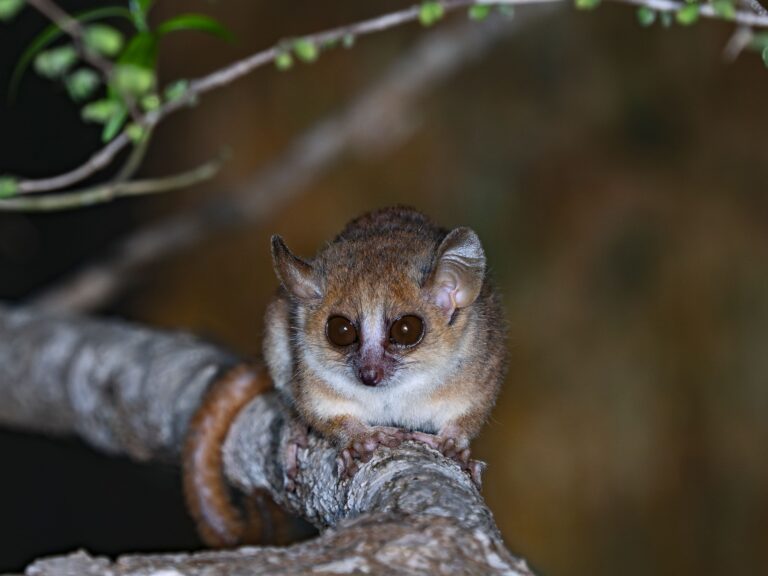
Mammals | Critically Endangered

Madame Berthe’s Mouse Lemur

Microcebus berthae

Learn More
Africa
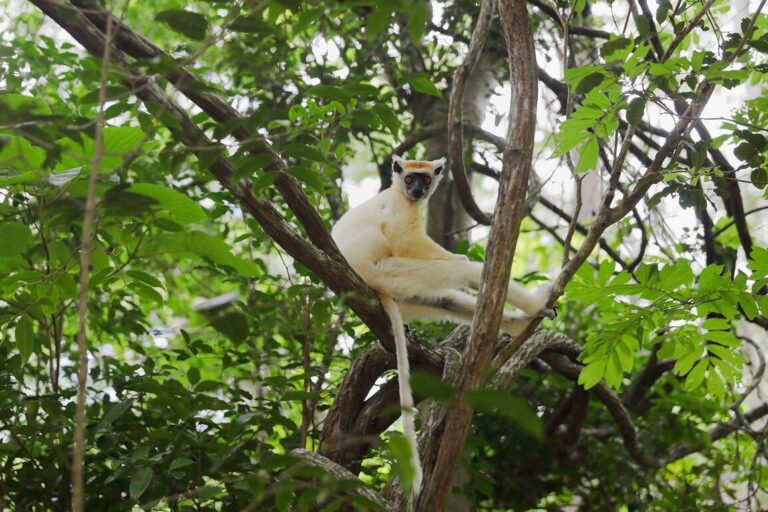
Mammals | Critically Endangered

Golden-crowned Sifaka

Propithecus tattersalli

Learn More
Africa
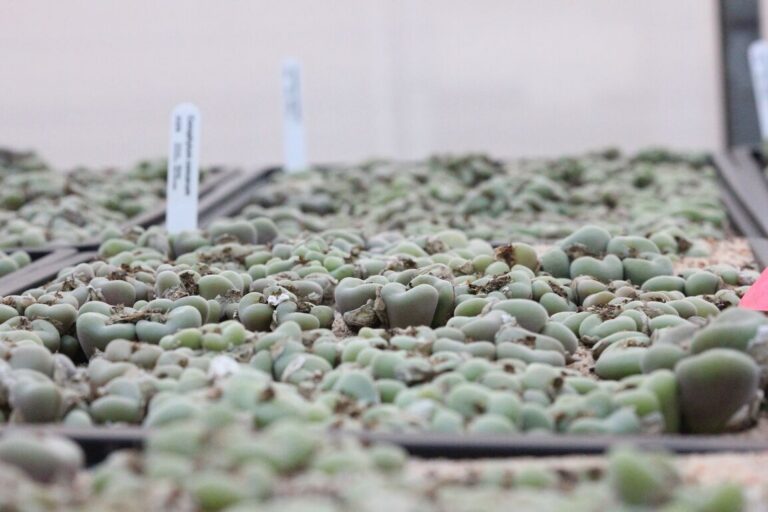
Plants | Critically Endangered

Fuzzy Belly Button

Conophytum concavum

Learn More
Africa
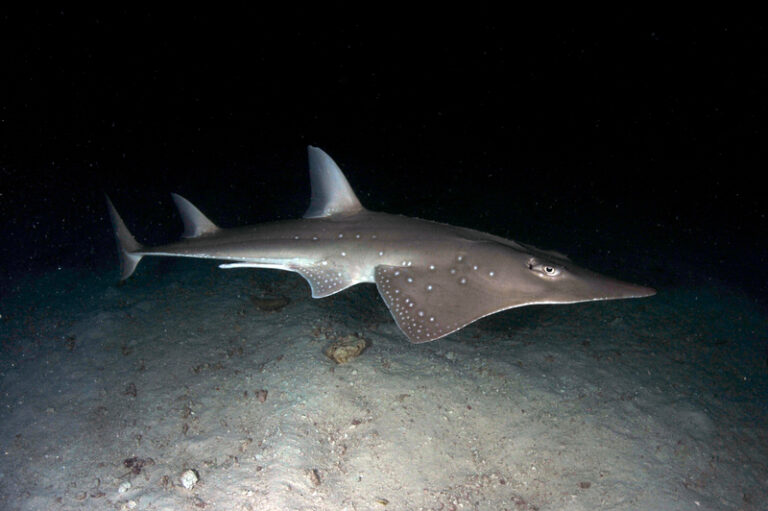
Sharks and Rays | Critically Endangered

Whitespotted Wedgefish

Rhynchobatus djiddensis

Learn More
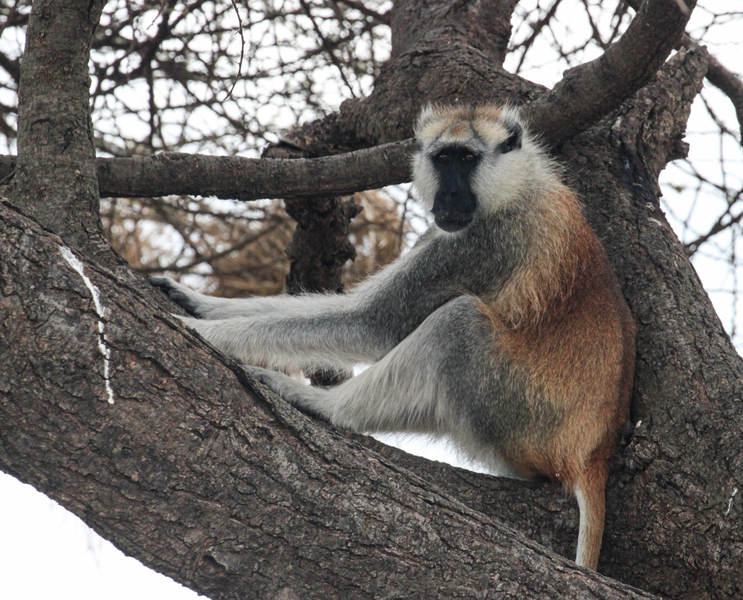
monkey in a tree
Africa
Mammals | Critically Endangered

Southern Patas Monkey

Erythrocebus baumstarki

Learn More
Africa
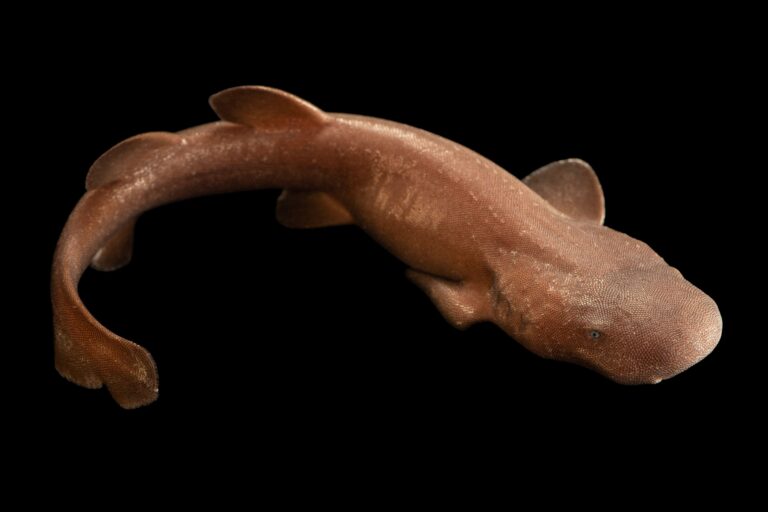
Sharks and Rays | Critically Endangered

Shorttail Nurse Shark

Pseudoginglymostoma brevicaudatum

Learn More
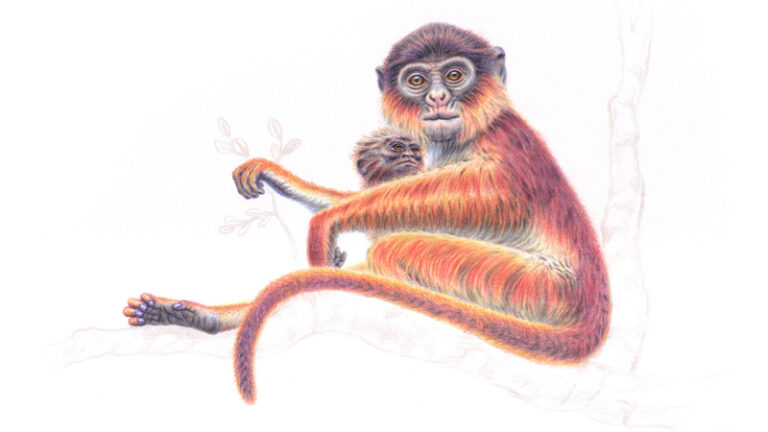
Africa
Mammals | Critically Endangered

Preuss’s Red Colobus

Piliocolobus preussi

Learn More
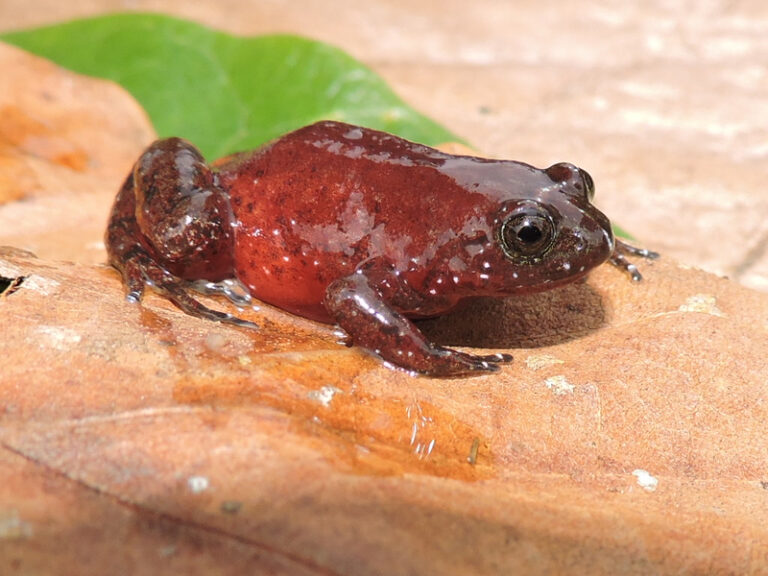
redbelly egg frog
Africa
Amphibians | Critically Endangered

Redbelly Egg Frog

Leptodactylodon erythrogaster

Learn More

Species recovery across
continents

From the forests of Asia to the coasts of North America, our work spans diverse ecosystems and regions where targeted action can reverse extinction.
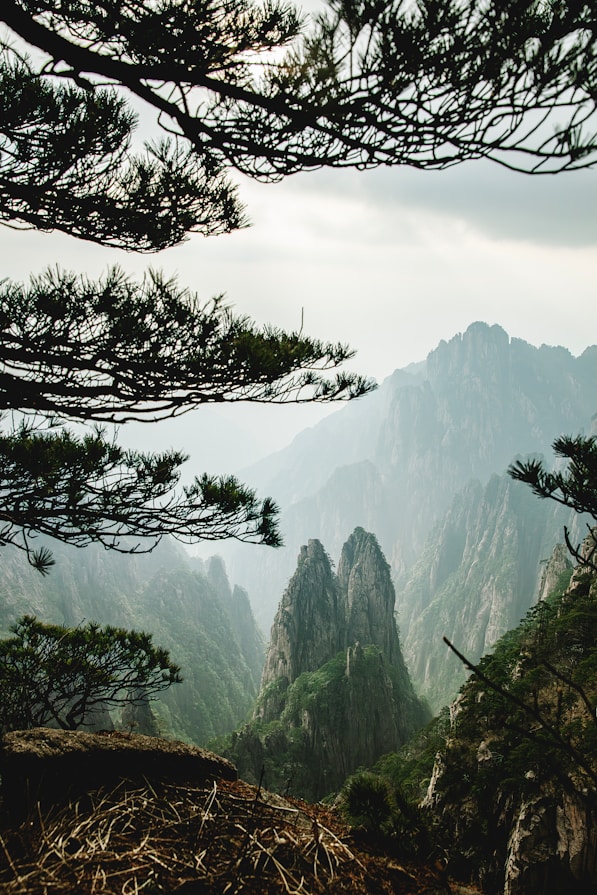
Asia

Southeast Asia has more threatened species than any region on Earth.

Learn More
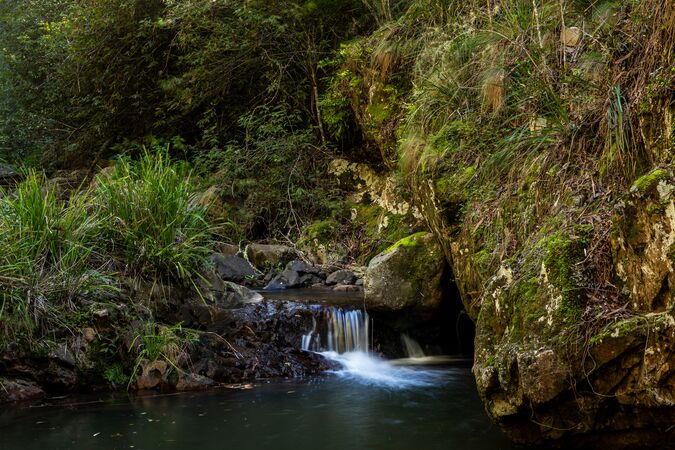
lake and waterfall

Australasia

Australia and New Zealand are home to some of the most unique species on Earth.

Learn More
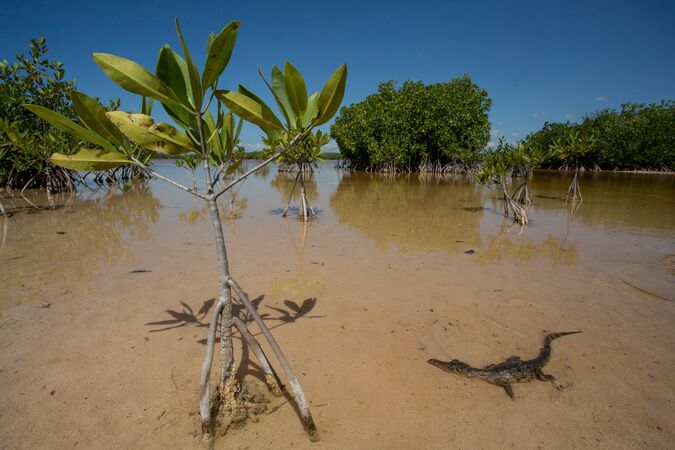
American crocodile in the mangroves

Caribbean

The Caribbean hosts more than 10,000 islands, islets, and cays spread across 2.7 million square kilometers of ocean.

Learn More
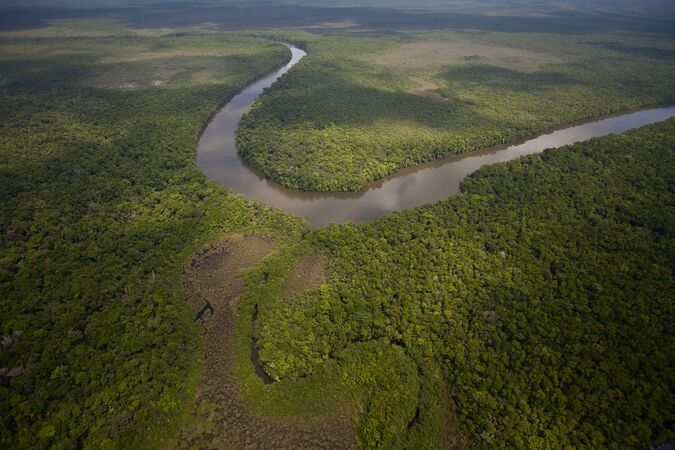
Aerial view of river

Latin America

Latin America holds more biodiversity than any other region on the planet.

Learn More
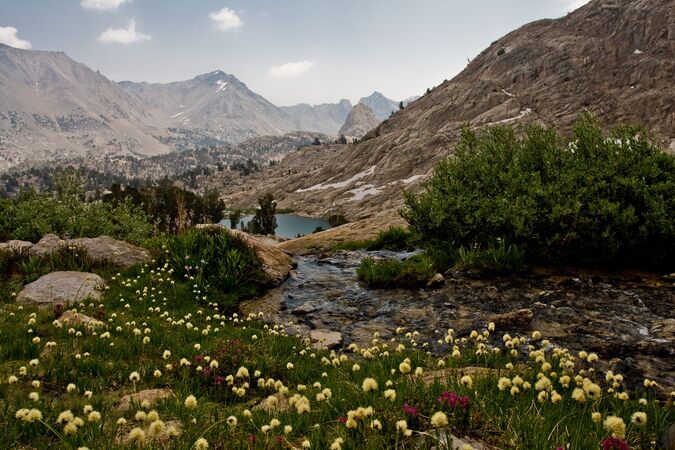
mountain valley with lake and wild flowers

North America

North America's ecosystems rival the world's most celebrated conservation areas for biodiversity.

Learn More