At a Glance
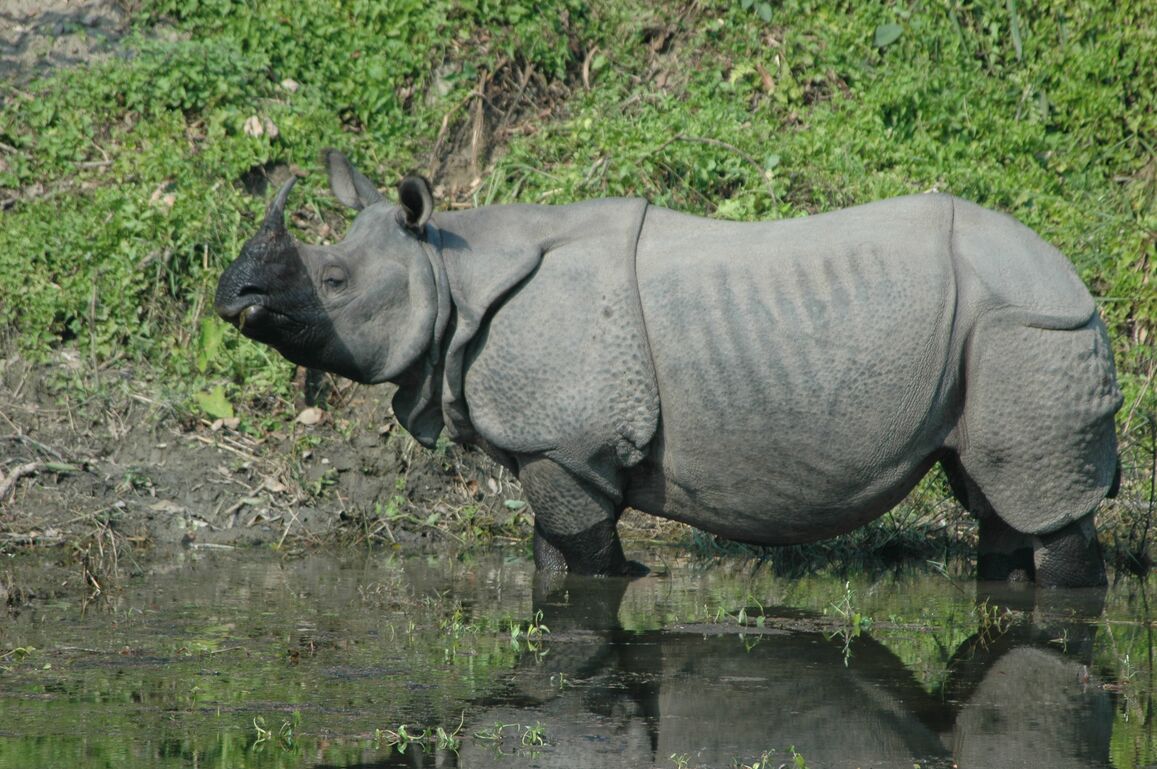
In the damp shade of the tropical forests and swamps of Ujung Kulon National Park on the island of Java in Indonesia, the last Javan Rhino survive. Once found across much of Southeast Asia, today fewer than 100 of this rhino species—the most threatened of the five rhino species—remain. Javan Rhinos are shy animals, and despite their size (Javan Rhinos can weigh up to 5,000 pounds), this species is adept at hiding amongst the shadows and the trees of their dense forest home; coming across one in the wild is extremely rare. The Javan Rhinos’ elusive nature can make it difficult for scientists to study them and learn more about their behaviour through physical tracking. Instead, scientists use motion-activated camera traps to track the rhinos’ movement throughout the park and learn more about their behaviour. Threats to the Javan Rhinos survival are multi-faceted, and include:, the availability of food, disease, poaching for illegal trade, and the ever-present possibility that the island where they live might be struck by natural disaster. Historically, rhinos were (and still are) heavily poached for their horns, an attractive ingredient in traditional medicines, though rhino horn has no proven medical benefits. The Indonesian government is leading an effort to protect the remaining Javan rhinos. Park rangers patrol the forest to stop poaching, while scientists monitor the population.
At a glance
Taxa
Mammals
Geography
Indonesia; Java
Status
Critically Endangered
Habitat
Tropical rainforest
Estimated Population
Under 100 individuals
Threats
Hunting; disease; tsunami risk; extremely small population
Potential Recovery Actions
Population management; establish a second population; threat reduction; advanced reproductive technologies; conservation breeding; cloning