At a Glance
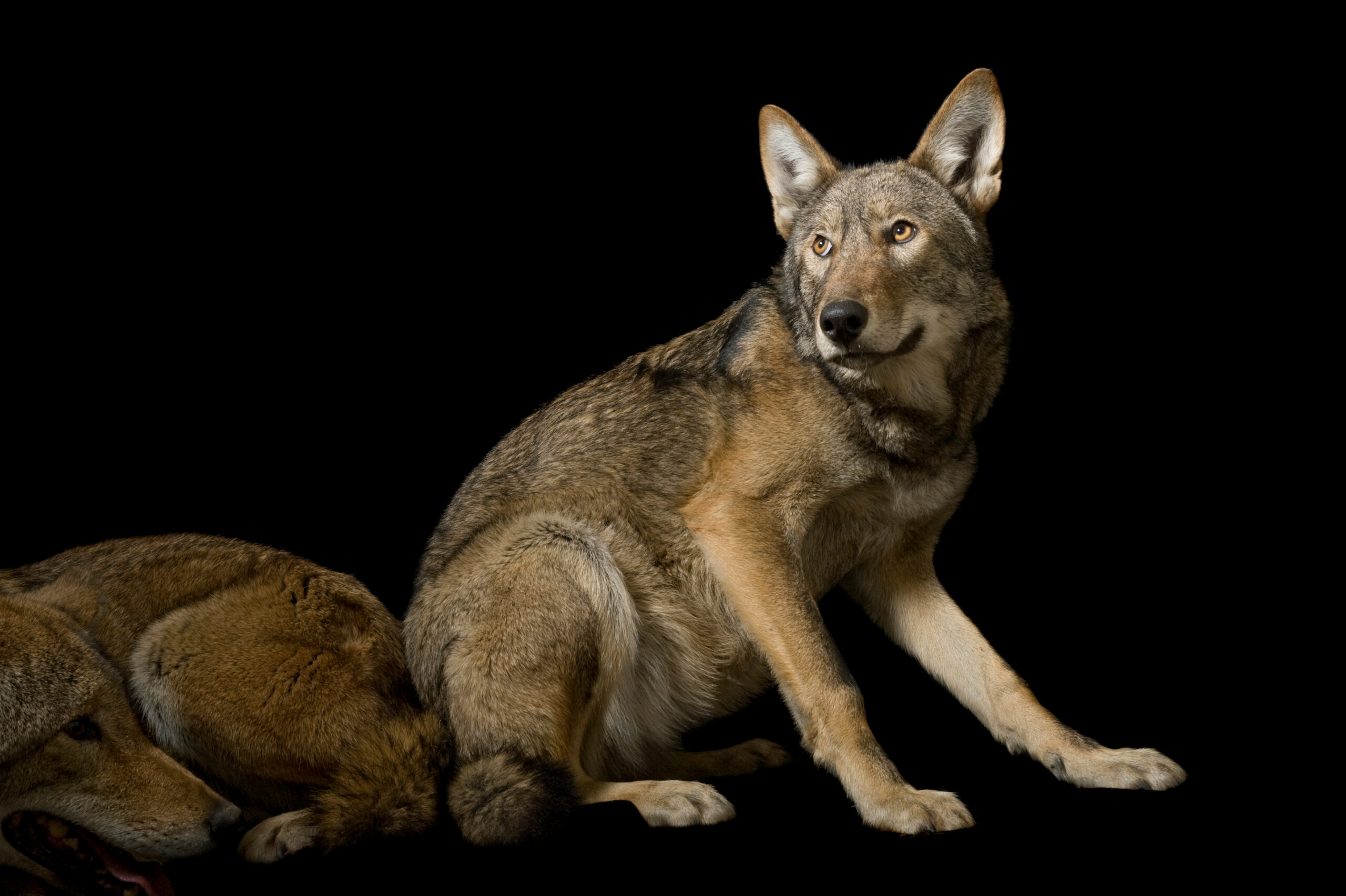
The coastal forests and wetlands of eastern North Carolina are the last refuge of the majestic Red Wolf, a species that once roamed the southeastern United States from Texas to Pennsylvania. The entire wild population are descendants of 14 Red Wolves that conservationists moved into human care in the 1970s when it became clear the species was careening toward extinction—-unless somebody did something, and fast. Fortunately, scientists already had a plan to help save them. Biologists created a breeding program with the wolves in the early 1970s. By 1980, the Red Wolf was officially considered Extinct in the Wild. That label ended up being short-lived. Less than a decade later, in 1987, the first wolves bred and raised in human care were reintroduced into the wilderness of eastern North Carolina. Today, a small population of Red Wolves still survives there; the descendants of the 14 wolves foundational to the 1970s breeding program. The initiative, spearheaded by the U.S. Fish and Wildlife Service, in partnership with zoos and conservation organizations, is still active to this day as scientists work to protect this Critically Endangered species. Apex predators like the Red Wolf play a critical role in maintaining ecologically-balanced habitats. Through their diet, they help control the size of prey populations (like deer and rabbits), which protects plant-life from being overgrazed, and supports the health of the entire ecosystem. But despite how important they are to nature, predators too often come into conflict with humans. In the case of the Red Wolf, that conflict, and the subsequent eradication of this species by humans, combined with habitat fragmentation, almost drove the Red Wolf to extinction.
At a glance
Taxa
Mammals
Geography
United States
Status
Critically Endangered
Habitat
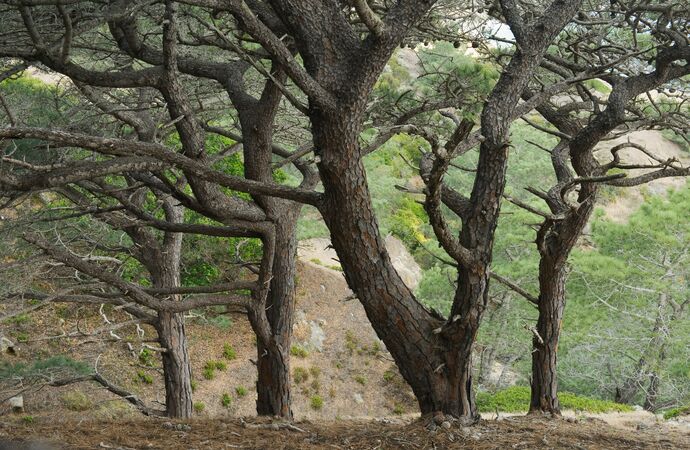
Forest; shrubland; inland wetlands
Estimated Population
About 20 mature individuals in the wild; about 300 in conservation breeding programs
Threats
Hybridization with coyotes; habitat loss and fragmentation; human-wolf conflict; limited genetic diversity
Potential Recovery Actions
Identify additional reintroduction sites; conservation breeding; community engagement