At a Glance
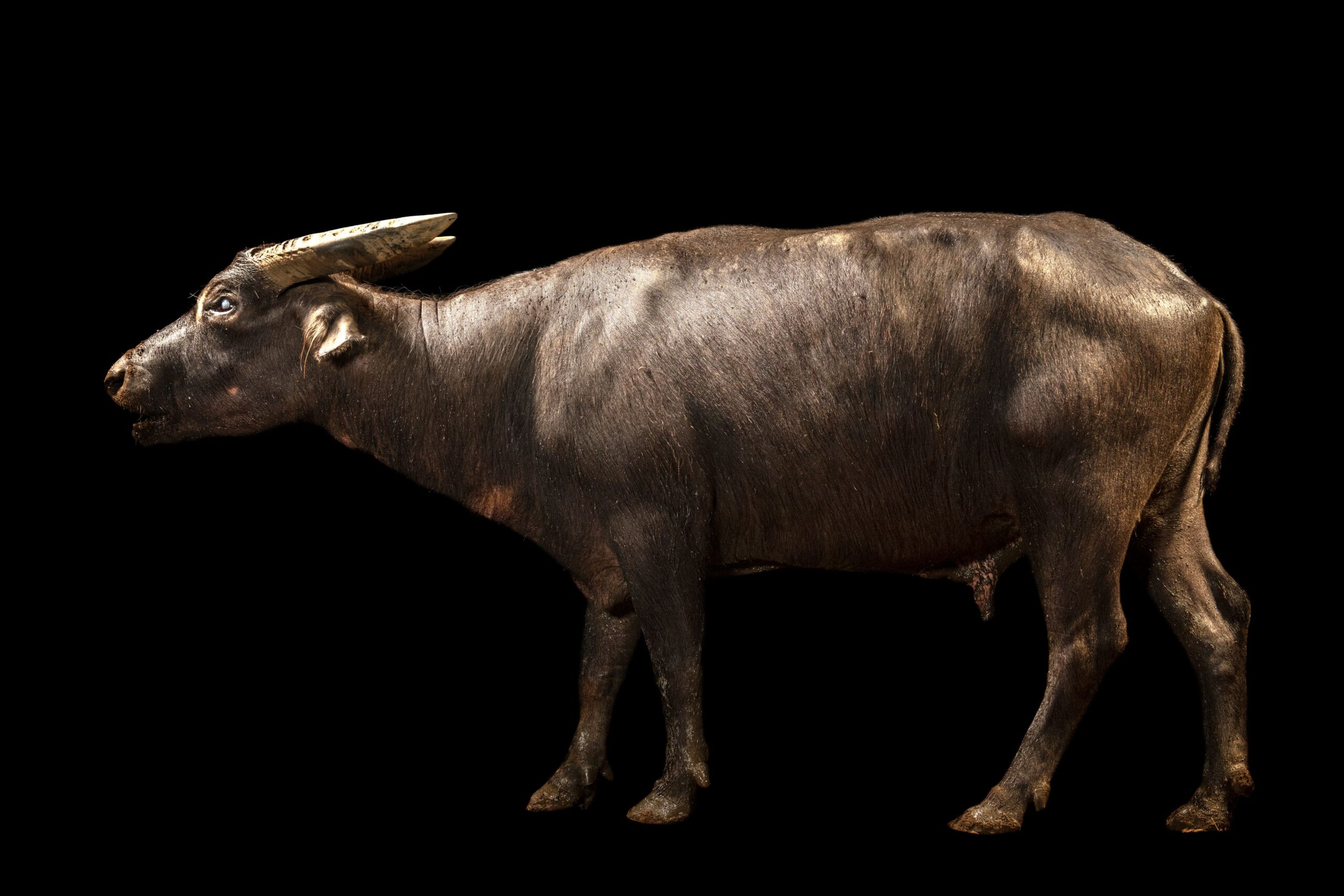
In the Philippines, on the island of Mindoro, one of the rarest wild cattle species in the world is fighting for survival. The Tamaraw is a small buffalo that was once widespread across Mindoro Island, but which is today found in only a few remote locations. The current (as of 2026) global population is estimated to be only around 200–500 individuals, with the largest remaining groups found in protected mountain regions, such as Mounts Iglit-Baco Natural Park. The Tamaraw is a national symbol of the Philippines. To list just a few examples of ways this species has been woven into Philippine culture: its likeness appears on coins and as university mascots; Tamaraw is also the name of a popular utility truck. The species’ national profile is a boon to conservation efforts focused on preventing their extinction, but threats still remain. Habitat destruction and hunting are the most significant culprits driving this species’ decline. Hunting puts pressure on the small and fragile populations of species across Mindoro. Human settlement and agricultural development have reduced and fragmented the landscapes Tamaraw depend on, while the introduction of cattle on the landscape risks exposing the Tamaraw to disease carried by livestock. The good news is that there are efforts underway to help the Tamaraw recover. It’s now fully protected under Philippine law and listed as Critically Endangered. Rangers work to stop poaching, and protected areas are being managed to keep their habitat intact. Local communities are also getting involved in conservation work. While the Tamaraw’s numbers are still lower than conservationists would like, these efforts have helped slow the decline—and there’s still hope that the species can recover.
At a glance
Taxa
Mammals
Geography
Philippines
Status
Critically Endangered
Habitat
Tropical forest; grasslands
Estimated Population
Fewer than 500 individuals
Threats
Hunting; small and fragmented populations
Potential Recovery Actions
Strengthen protection in key areas; conservation breeding; reintroduction